
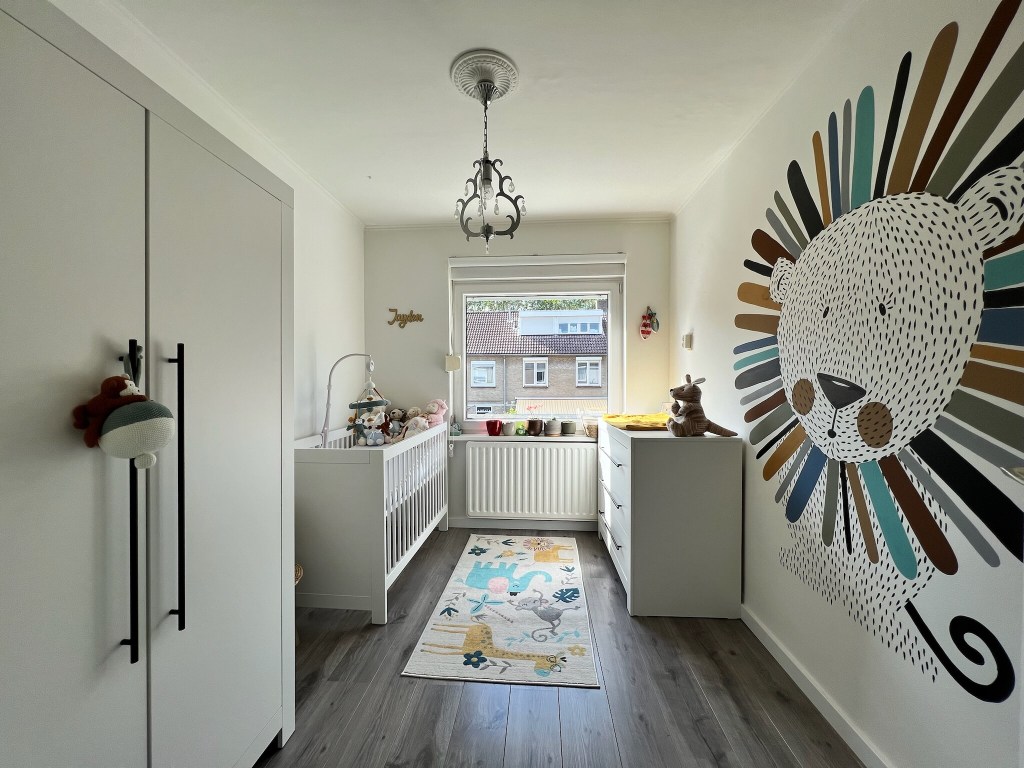
Creating a nursery for your baby is an exciting and heartwarming task, filled with visions of a cozy, peaceful space where your little one will grow and thrive. Among the myriad of design choices available, a minimalistic approach stands out for its simplicity and elegance. Minimalism in nursery design focuses on clean lines, functional decor, and a serene environment, which can be both soothing for the baby and stress-reducing for the parents. Join us as we explore the essentials of crafting a beautiful minimalistic nursery, where simplicity meets serenity.
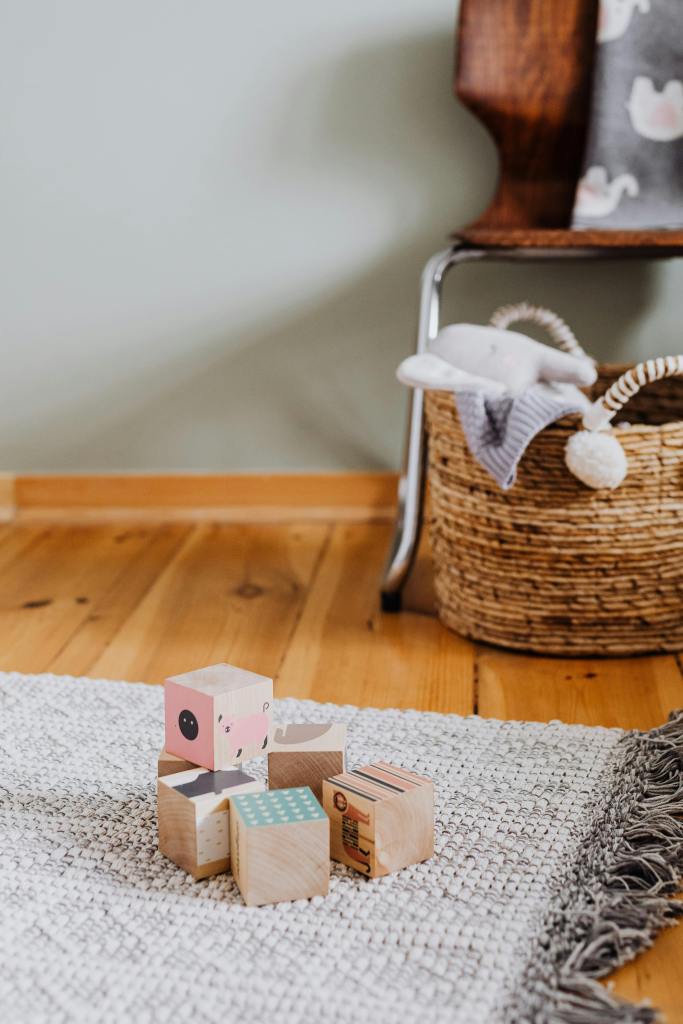
When my husband and I began preparing the nursery for our baby boy, we were filled with excitement and ideas. As first-time parents, it was tempting to buy all the cute baby items we came across. However, we were working with a limited budget and didn’t want to overcrowd the space with unnecessary items. Our focus was on creating a quality living space that felt serene and functional, adhering to a minimalist approach.
We decided to prioritize essential items that offered both practicality and longevity. Instead of filling the room with numerous toys and decorations, we selected a few key pieces of versatile furniture and neutral-colored decoration, which would remain useful as our baby grew. The nursery’s simplicity, with its clean lines and uncluttered design, not only fit our budget but also provided a calming environment for both us and our baby.
Through this process, we discovered that a minimalistic nursery doesn’t mean compromising on comfort or functionality. By carefully choosing items that served multiple purposes and had lasting appeal, we were able to create a beautiful and practical space that met all our needs without feeling chaotic or overwhelming.
Choose a Neutral Color Palette
The foundation of a minimalistic nursery is a neutral color palette. Soft whites, gentle grays, and muted earth tones create a calm and inviting atmosphere. These colors not only make the room feel more spacious but also provide a versatile backdrop that can be easily updated as your child grows. For our boy’s nursery room, we chose to keep the white color and add a few simple decoration on the wall.
Tip: Use variations of a single color to add depth without overwhelming the space. For instance, mix different shades of gray or beige to keep the room interesting yet cohesive.
Invest in Essential Furniture
In a minimalistic nursery, every piece of furniture should serve a purpose. Opt for essential, high-quality items such as a crib, a closet, a changing table, and a comfortable rocking chair. Look for furniture with clean lines and simple designs, avoiding unnecessary embellishments.
Tip: Consider multifunctional furniture, like a crib that converts into a toddler bed or a changing table that doubles as a dresser. This not only saves space but also reduces future purchases.

We chose a changing table that doubles as a dresser to maximize functionality in the nursery room, making the most of the limited space available.
Embrace Natural Materials
Natural materials like wood, cotton, and linen enhance the minimalist aesthetic by adding warmth and texture without clutter. Choose wooden furniture with a natural finish and soft, organic textiles for bedding and curtains. These elements create a cozy yet uncluttered environment.
Tip: A simple wooden mobile or a few handmade toys can add a touch of charm and personality to the room without overwhelming the minimalist theme.
Opt for Open Space and Light
Minimalism thrives on the concept of open space and natural light. Ensure the room is well-lit, utilizing natural light as much as possible. Avoid heavy drapes; instead, use light, airy curtains or blinds that allow sunlight to filter through.
Tip: Use reflective flooring options like light wood or laminate. These surfaces can help bounce light around the room, enhancing the sense of openness and making the space feel brighter and more expansive.
Focus on Functional Decor
In a minimalistic nursery, decor should be both beautiful and functional. Wall art can be simple and meaningful, such as framed prints or hand-drawn sketches. Floating shelves can hold a few well-chosen books and toys, keeping the floor space clear.
Tip: Personal touches like family photos or a handmade quilt can add warmth and individuality to the room without compromising the minimalist feel.
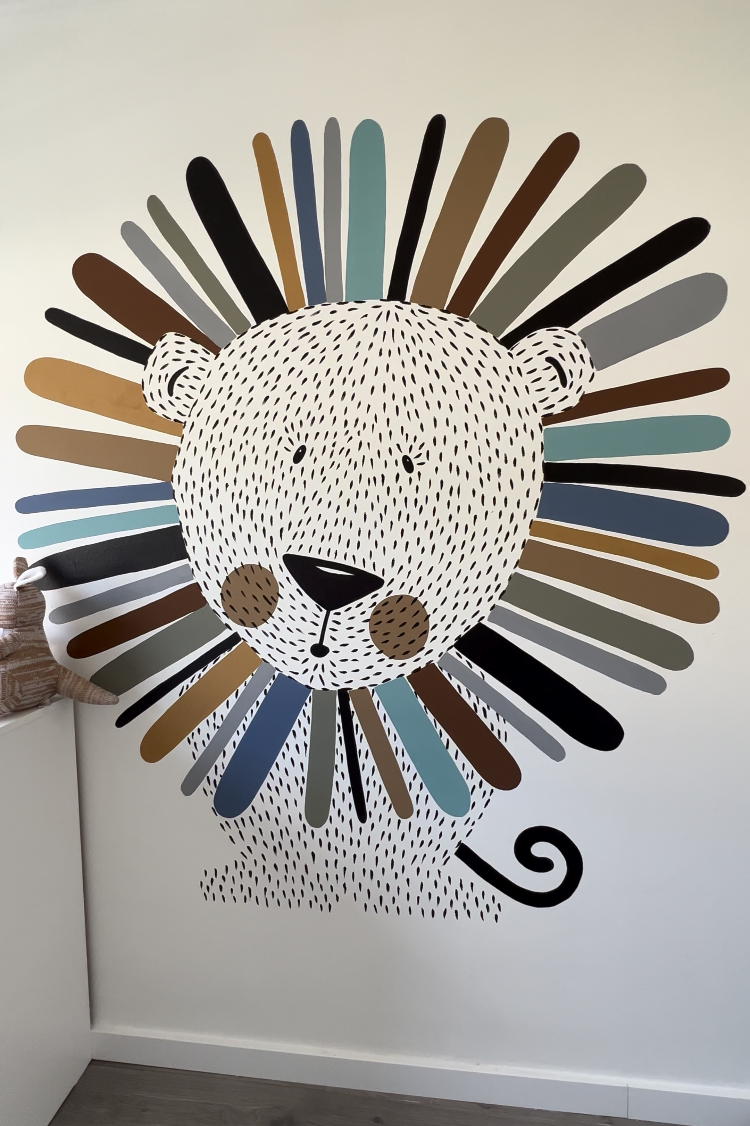
We decided to paint one wall with a lion, using a color palette that matches the carpet. This not only makes the room more interesting but also reduces the need for additional decorations.
Maintain a Clutter-Free Space
A key aspect of minimalism is maintaining a clutter-free environment. Regularly organize and store away items that are not in use. Use storage solutions like baskets, bins, and under-crib storage to keep everything in its place.
Tip: Incorporate a toy rotation system to keep the room tidy. Only a few toys should be out at a time, with the rest stored away and rotated periodically to keep things fresh and engaging for your baby.
Incorporate Greenery
A touch of greenery can bring life and freshness into the nursery. A small potted plant or two can enhance the room’s aesthetic and purify the air. Choose non-toxic plants and place them out of reach of little hands.
Tip: Consider low-maintenance plants like succulents or a small peace lily to add a natural element without requiring extensive care.
Designing a minimalistic nursery is about creating a serene, functional, and beautiful space for your baby. By focusing on simplicity, quality, and intentionality, you can craft a nursery that is not only aesthetically pleasing but also a haven of calm and comfort for both you and your little one. Embrace the less-is-more philosophy, and enjoy the tranquility and elegance that a minimalist nursery brings to your home.



 TrieBios Baby & Mama
Leave a comment