
Involving toddlers in housework might seem like a challenging endeavor, but it is packed with numerous benefits for their development and for the family as a whole. By engaging toddlers in simple household tasks, you can teach them valuable life skills, foster their growth, and create meaningful family bonds. Let’s explore the benefits of involving your little ones in housework and some practical ways to do it.
Benefits of Involving Toddlers in Housework
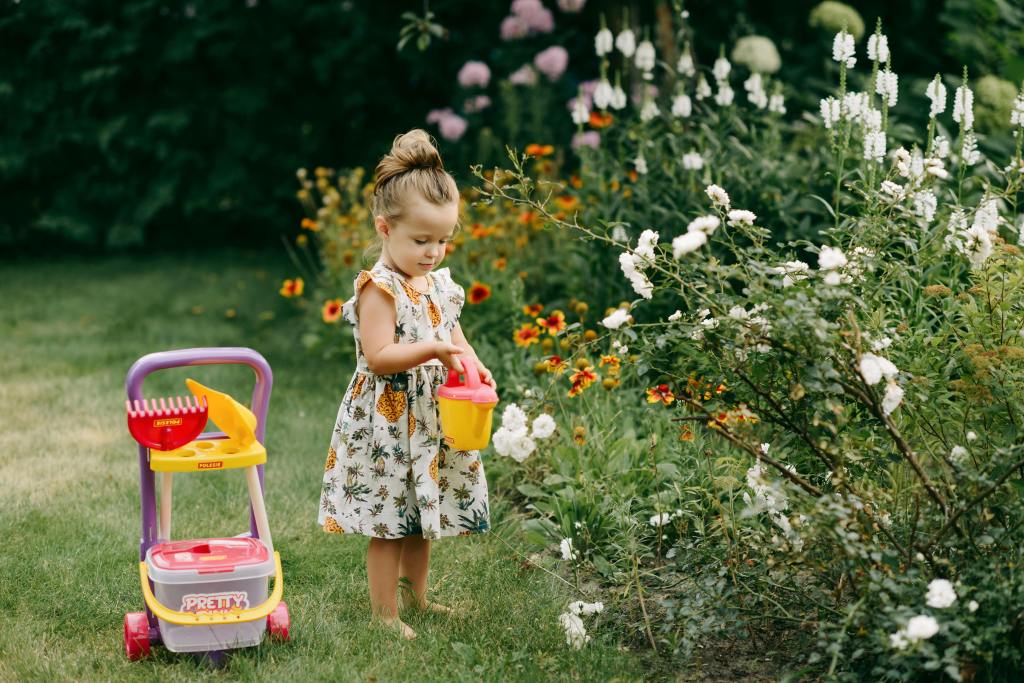
1. Develop Responsibility: Assigning simple tasks like watering plants helps toddlers learn to take on responsibilities. This fosters an understanding of their role in contributing to the household and instills a sense of duty and accountability from a young age. Psychologically, giving children responsibilities boosts their self-efficacy—the belief in their ability to succeed in specific tasks. For example, when a toddler is given the task of feeding the family pet, they learn that their actions directly affect the well-being of another living creature, which reinforces a sense of responsibility.
2. Enhance Fine Motor Skills: Household activities like pouring water, wiping tables, or sorting laundry are great for developing fine motor skills and hand-eye coordination. These tasks require precision and control, which are crucial for their physical development. Engaging in such activities helps strengthen the small muscles in their hands and fingers, which are essential for writing and other tasks later in life. For example, when a toddler helps with sorting laundry, they practice grasping and manipulating different types of fabric, which enhances their tactile and motor skills.

3. Learn Cause and Effect: Through chores like watering plants, toddlers can observe the results of their actions. They see that plants grow when they are watered regularly, helping them grasp the concept of cause and effect. This understanding is fundamental in cognitive development as it helps children predict outcomes based on their actions. For instance, when a toddler spills water while watering a plant and sees the plant thriving a few days later, they learn the connection between their action and the plant’s growth.
4. Build Confidence: When toddlers successfully complete tasks, it significantly boosts their confidence and self-esteem. They feel capable and valued, which encourages them to take on new challenges and responsibilities with enthusiasm. This positive reinforcement is critical in building a child’s self-worth and motivation. For example, a child who helps set the table for dinner and receives praise from their parents will feel proud of their contribution, enhancing their willingness to help in the future.
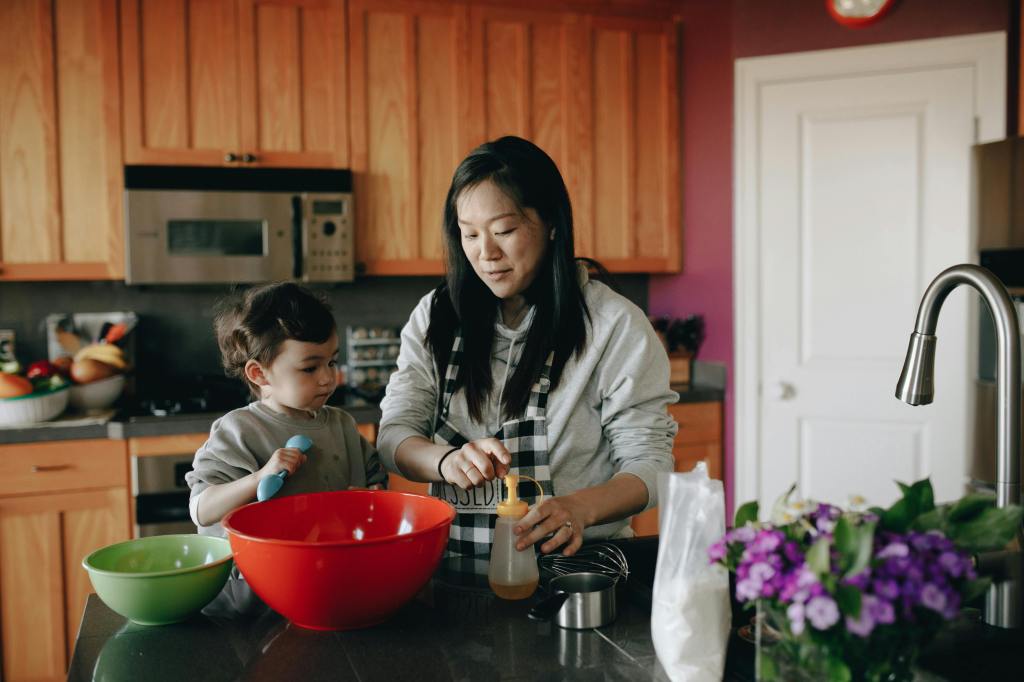
5. Bonding Opportunity: Housework can be a wonderful opportunity for bonding. Doing chores together allows for quality time with your toddler, strengthening your relationship and creating cherished memories. It’s a chance to communicate, teach, and enjoy each other’s company. For example, baking together can become a special activity where a parent and child share stories, laugh, and create something delicious, all while working as a team.
6. Understand Nature: By helping with tasks like watering plants or gardening, toddlers learn about nature and the importance of caring for living things. This fosters a sense of environmental stewardship and a deeper connection to the natural world. Studies show that children who engage in nature-related activities are more likely to develop a lasting appreciation for the environment. For example, a child who helps plant a garden will learn about the growth process and the importance of sustaining life through nurturing care.
7. Build Routines: Incorporating chores into their daily routine helps toddlers develop good habits and a sense of structure. Establishing these routines early on lays a strong foundation for discipline and time management as they grow older. Consistency in routines provides a sense of security and predictability, which is essential for young children. For example, having a set time each evening for tidying up toys can help children understand the importance of organization and cleanliness.
By understanding and leveraging these benefits, you can make housework a positive and enriching experience for your toddler, setting them up for a lifetime of good habits and skills.
How to Involve Toddlers in Housework

1. Choose Simple Tasks: Start with age-appropriate chores that they can easily manage, such as putting away toys, wiping surfaces, or sorting socks. This makes the experience positive and rewarding, ensuring they are not overwhelmed. My son is almost 2 years old, and we incorporate putting away toys at the end of the day before he sleeps. My husband and I do this together, setting an example for our son. He loves doing activities together, so it has become a cherished daily routine for us to put away toys as a family.
2. Use Child-Sized Tools: Provide child-sized cleaning tools like toy cleaning for kids or kids’ gardening tools to make it easier for them to participate. This ensures they can handle the tasks comfortably and safely. Initially, I bought my son a toy vacuum just for fun. However, after observing me vacuuming the house whenever there are crumbs on the floor, he started mimicking me. It’s funny how, after just a few observations, he picked up his toy vacuum and started “vacuuming” as if he had been doing it all along.

3. Offer Choices: Give them choices so they feel empowered. For example, ask if they want to help set the table or sweep the floor. Allowing them to choose makes them more enthusiastic about participating. Whenever we return home from grocery shopping, we usually ask our son whether he wants to help bring the milk to papa to put in the fridge. By doing this every single time, it has built up a routine for him. Now, whenever we have groceries, he automatically helps us put them away and organize them.
Turn tasks into fun games to keep them engaged. For instance, you can turn picking up toys into a race to see who can collect the most. Adding a playful element makes chores feel less like work and more like a fun activity. This approach works because toddlers are naturally curious and enjoy play-based learning. By integrating fun into chores, you keep their attention and enthusiasm high. For example, during laundry time, you could challenge your child to find all the socks and pair them up, making it an exciting matching game. My son loves recognizing whose clothes belong to whom, so we make it a fun game by asking him whether a t-shirt belongs to mama or papa while we put dirty clothes into the washing machine. This not only keeps him engaged but also helps him learn and remember.
5. Praise Their Efforts: Always encourage and praise their efforts, even if the task isn’t done perfectly. Positive reinforcement builds their confidence and motivation to keep helping. Psychologically, praise reinforces good behavior and makes children feel valued. For example, when my son helps put away his toys, I make sure to say, “Great job! You did so well putting all your toys away!” This kind of praise not only boosts his self-esteem but also encourages him to continue participating in chores willingly.
6. Be Patient: Understand that tasks may take longer when a toddler is helping. Be patient and provide gentle guidance, focusing on the learning process rather than the end result. Patience is key because toddlers are still developing their skills and understanding. For instance, when my son helps with watering the plants, sometimes more water ends up on the ground than in the pots. Instead of getting frustrated, I calmly show him how to pour the water gently, understanding that it’s a learning process for him.

7. Promote Teamwork: Make housework a family activity. When everyone pitches in together, it becomes more fun and less like work. This promotes teamwork and the understanding that everyone’s contribution is valuable. Psychologically, working together fosters a sense of belonging and cooperation. For example, on weekends, we have a “clean-up party” where each family member takes on a different task. My son sees that everyone, including mommy and daddy, has a role, and it makes him feel part of the team. This collective effort teaches him the importance of cooperation and shared responsibilities.
Involving toddlers in housework is not just about getting chores done; it’s about teaching them valuable life skills, building their confidence, and strengthening family bonds. With patience, encouragement, and a bit of creativity, you can make housework a positive and enriching experience for your little ones. So, grab a child-sized broom, hand them a small watering can, and watch them thrive!



 TrieBios Baby & Mama
Leave a comment