
As a mom, watching my toddler explore the world can be one of the most beautiful and, at times, overwhelming experiences. From managing tantrums to encouraging social interactions, it feels like every day brings new challenges. One thing I’ve recently learned that has transformed how I approach my son’s development is the balance between structured and unstructured play—and I’m excited to share how these two forms of play can help your little one thrive.
What Is Structured Play?
Structured play, or also known as goal-oriented play, refers to activities that have a specific purpose, rules, or instructions. Think of it as play with a bit more guidance—there’s often a clear objective, and an adult typically leads the activity. It generally involves using logic to solve problems.
For toddlers, structured play should be simpler, focusing more on activities with clear guidance, but without expecting them to fully grasp turn-taking or verbal communication yet. At 2 years old, toddlers are still developing language and social skills, so structured play should be fun, short, and based on activities they can follow with your help.
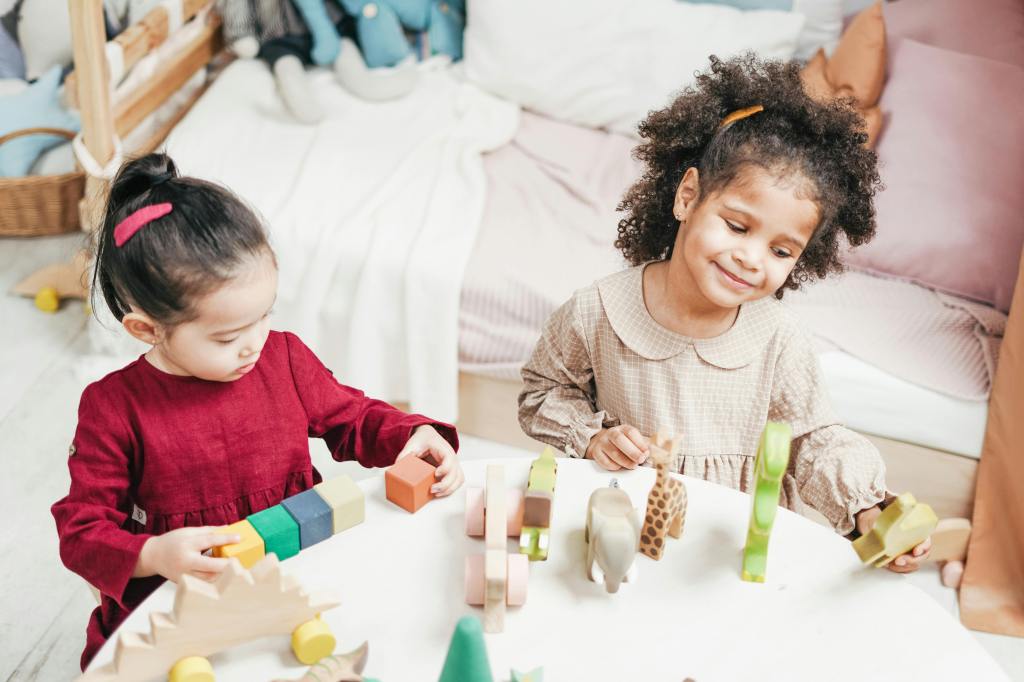
Some example of toddler-friendly structured play ideas that promote sharing and cooperation without needing too much verbal communication:
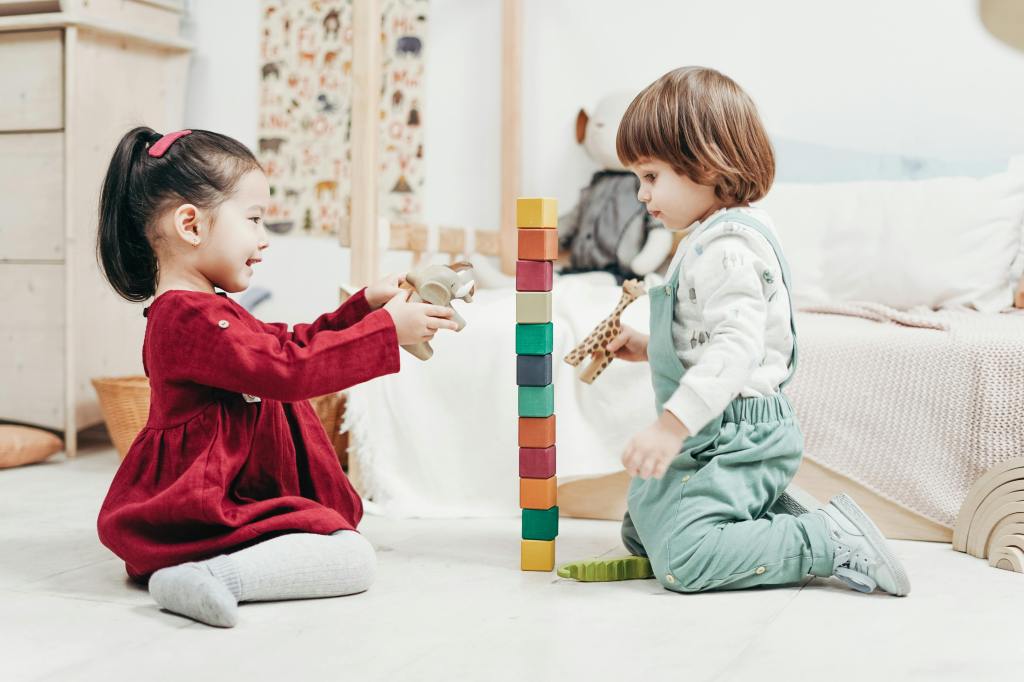
- Building blocks together with the goal of creating a specific structure, introducing the idea of cooperation without the pressure of formal turn-taking.
- Painting together, providing one large piece of paper for both children to paint on to promote cooperative play in a shared space.
- Playing with playdough, offering each child their own small piece of playdough but give them shared tools. This is to promote taking turns with objects while still having individual materials.
- Rolling a ball back and forth between kids which can be great for teaching turn-taking.
- Simply toys sorting, give each child a simple task like sorting toys by color, promoting sharing space and working together.
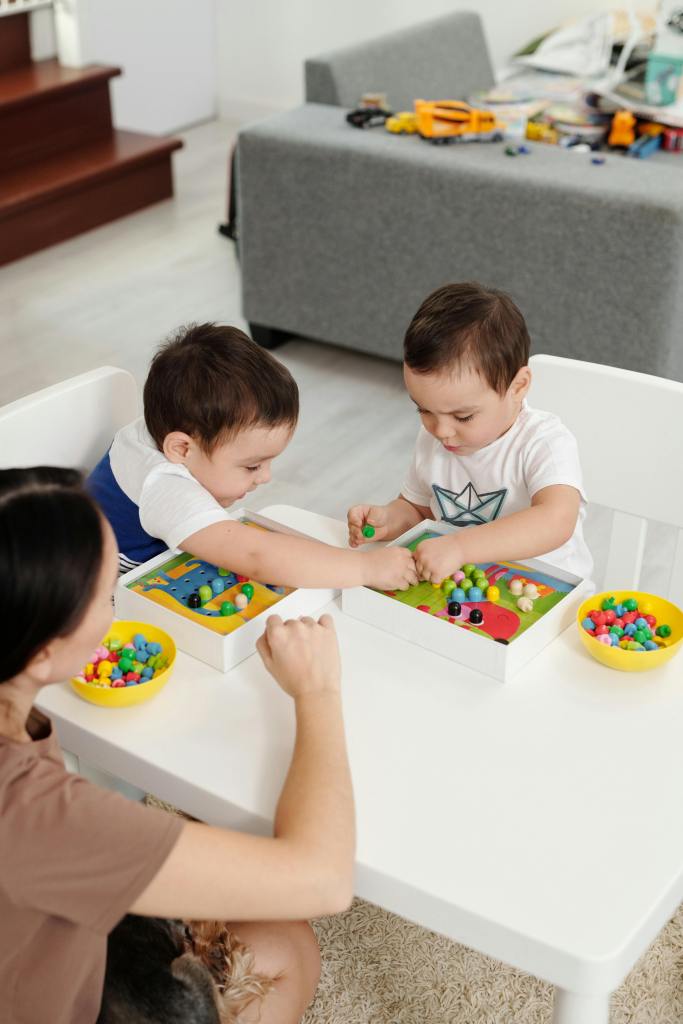
In my personal experience, I found structured play incredibly helpful in giving my 2-year-old a sense of direction and accomplishment, especially in social settings. For example, when my son plays with my husband’s best friend’s daughter, I noticed that activities with a clear objective — like painting together —help reduce tension and frustration.
But structured play doesn’t always go smoothly. There have been moments where frustration boiled over when my son couldn’t express himself fully, especially when sharing toys didn’t go as planned. In one instance, my son became upset because his playmate refused to share her toy, leading to a little pushing and tears. It was a reminder that at this age, toddlers are still learning to manage their emotions and navigate social interactions.
This is where structured play comes in handy. By guiding the play, I can step in and help both children take turns or share in a positive way, teaching them valuable social skills.
What Is Unstructured Play?
On the other hand, unstructured play, or also known as open-ended play, is free, child-led play where there are no specific goals or rules to follow. It’s all about creativity and exploration. Your toddler can decide what they want to do, whether it’s pretending their toy car is zooming through a city or using kitchen pots as drums in an impromptu concert.
Unstructured play has been a lifesaver for us on those days when my son just wants to do his own thing. After all, toddlers are naturally curious and imaginative, and they need that free time to explore their surroundings. I’ve noticed that when I step back and let him play without too much interference, he’s able to express himself more freely, which helps him process emotions better.
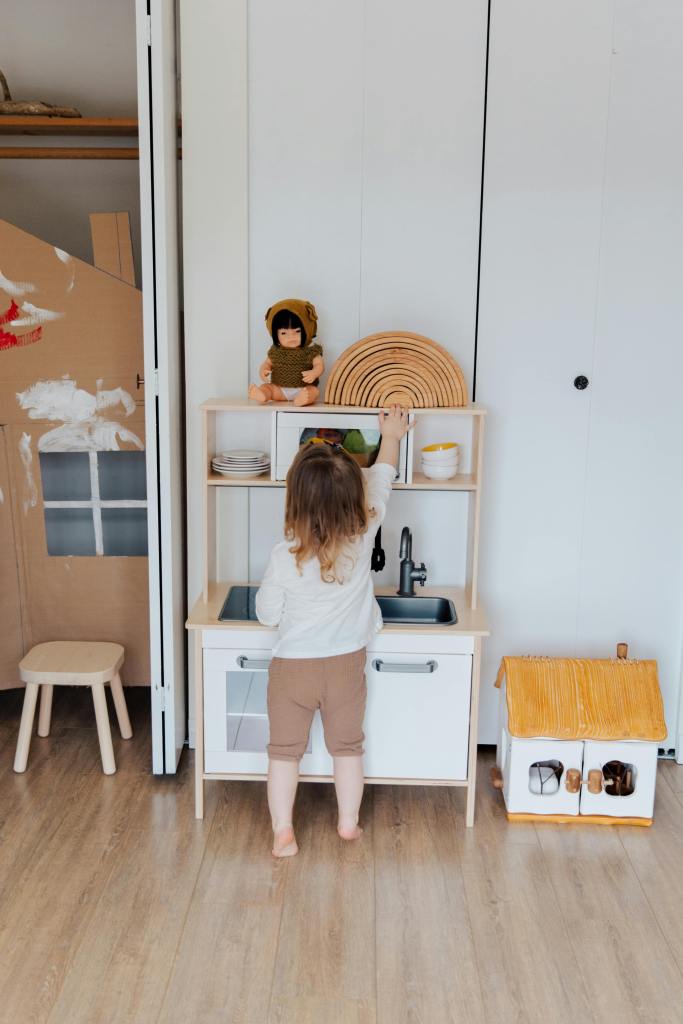
Some of my favorite moments have been watching him create entire adventures with just his favorite stuffed animal or seeing him dive into being a chef, cutting his toy fruit and serving it to us like real customers. Without any guidance, he let his imagination run wild, narrating stories and creating his little world. It was a reminder that sometimes, as moms, we don’t need to structure every moment—our toddlers often benefit most from simply letting them be.
The Balance Between Structure and Freedom
As I’ve come to learn, the key to toddler development is finding a balance between structured and unstructured play. Structured play helps guide your child’s learning and social interactions, while unstructured play fosters creativity and independence.
For example, after a morning of structured activities like building blocks or rolling a ball back and forth, I like to let my son have free play in the afternoon. This gives him a chance to unwind, explore, and recharge in his own way.
Incorporating both types of play into our daily routine has also been a great way for me to manage my own expectations. As moms, we often feel the pressure to do it all—to keep our kids entertained, learning, and developing constantly. But what I’ve realized is that not every moment needs to be filled with structured activities. Sometimes, stepping back and allowing our toddlers to explore freely is just as valuable.
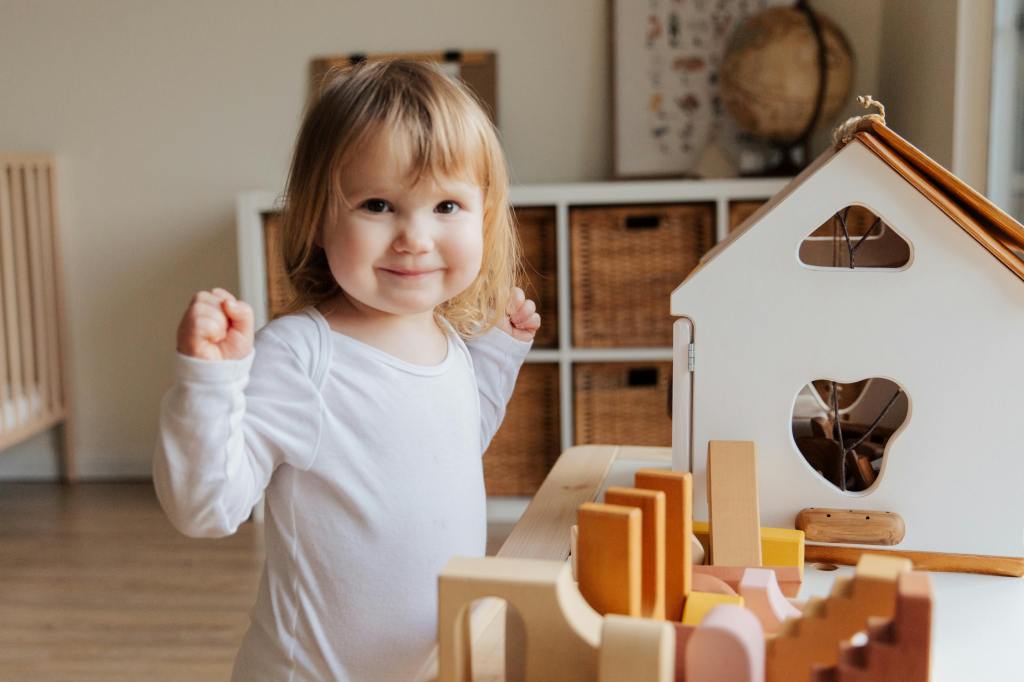
How You Can Incorporate Structured and Unstructured Play at Home
Here are some tips that have worked for me, which might help you balance structured and unstructured play with your little one:
- For Structured Play:
- Keep the activities simple. Something like rolling a ball back and forth is easy to grasp and helps teach social skills like turn-taking.
- Use everyday objects. Blocks, playdough, and even household items like spoons and cups can be turned into structured games.
- Guide, but don’t hover. Try to gently guide the play without being too directive. This allows your child to feel supported without feeling pressured.
- For Unstructured Play:
- Provide a variety of toys, but don’t overwhelm. Too many options can be overstimulating for toddlers, so keep it simple.
- Let them lead. Resist the urge to jump in and give instructions. Instead, follow their lead and let their imagination guide the play.
- Encourage outdoor time. If possible, let them explore nature—whether it’s a park or just the backyard. Unstructured play outdoors can offer new sensory experiences.
How Lovevery Play Kits Support Structured and Unstructured Play
One of the tools that has made a huge difference in my son’s playtime is the Lovevery Play Kits. I discovered Lovevery while searching for high-quality, developmentally appropriate toys, and I’ve been hooked ever since. These play kits are designed by experts to support both structured and unstructured play, and they offer a perfect balance of guided activities and free play opportunities.
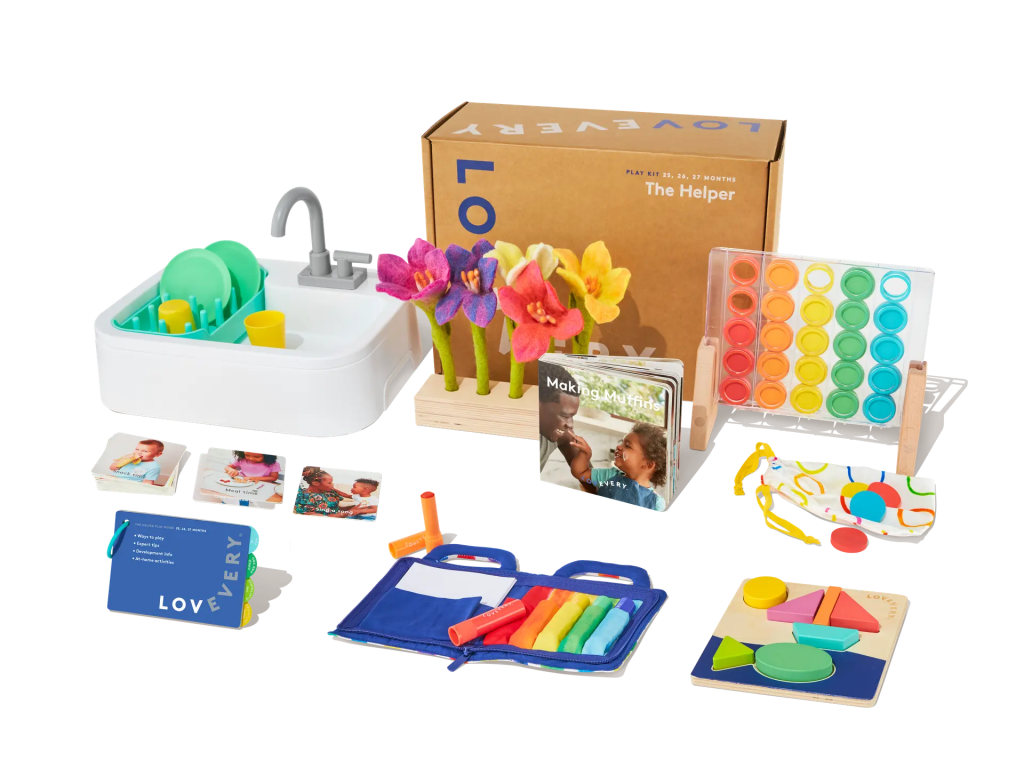
The Helper Play Kit by Lovevery
For example, one of the kits we’ve been using includes puzzles, blocks, and sensory toys that I can introduce to my son during our structured playtime. Each activity comes with helpful guidance, so even if you’re not sure where to start, Lovevery gives you easy instructions to follow. But what I love most is that these toys are open-ended enough to encourage unstructured play—my son often takes the toys and creates his own little adventures with them.
If you’re looking for a way to support your toddler’s development while keeping playtime fun and engaging, I highly recommend giving Lovevery a try!
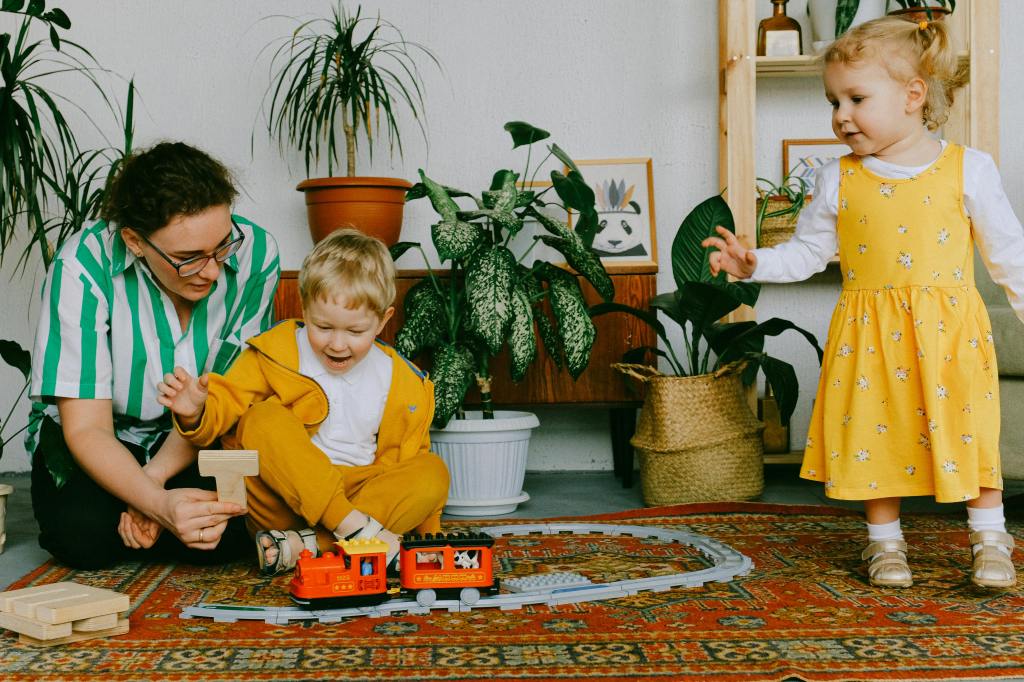
As a mom, finding the balance between structured and unstructured play has been a learning experience for me. It’s helped me connect more deeply with my son while also giving him the tools he needs to grow emotionally and socially. And I hope that sharing my journey can help you do the same with your little ones.
Play is one of the most powerful ways toddlers learn about themselves and the world around them. Whether through guided activities or free play, the time you spend with your child is invaluable. Let’s embrace both the structure and the freedom that play offers, and watch our little ones thrive in their unique ways.



 TrieBios Baby & Mama
Leave a comment