
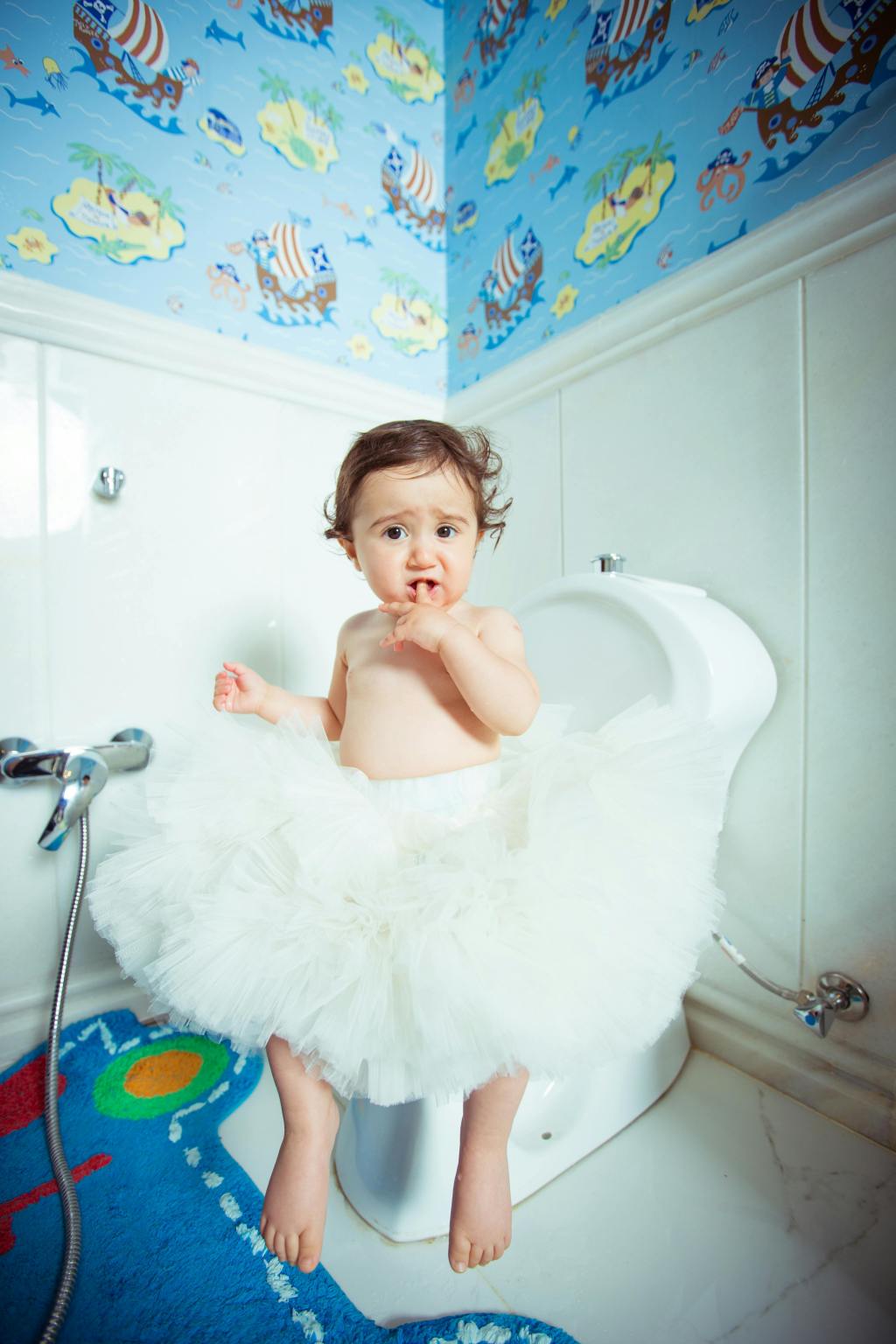
Potty training is a significant milestone in every toddler’s journey to independence. While it can feel overwhelming, the right approach and preparation can make the transition smoother for both parents and children. In this guide, I’ll walk you through various potty training methods, my personal strategy, and essential products to make the process easier.
Different Potty Training Methods
Potty training is not a one-size-fits-all process, and different methods work for different children. Some toddlers respond well to structured training, while others thrive with a more relaxed approach. The best one depends on your child’s readiness and your lifestyle. Below are various potty training methods to consider:
The 3-Day Potty Training Method
This method involves an intensive three-day commitment where toddlers wear underwear (or go diaper-free) and are frequently encouraged to use the potty. Parents need to watch for signs that their child needs to go and take them to the potty immediately. Accidents are expected but decrease over time as the toddler becomes more aware of their body signals. This method is best for parents who can dedicate time and attention for a few days.
The Parent-Led Potty Training Method
In this approach, parents set regular potty times throughout the day, such as after meals or before naps. This method works well for children who thrive on structure as it encourages routines and consistency. It often involves sitting the child on the potty every 30-60 minutes.
The Child-Led Potty Training Method
Some parents prefer to let their child take the lead. The toddler is encouraged to become aware of their own body cues and to decide when they need to use the toilet. This method requires patience but fosters independence. The child-led potty training introduces the potty slowly, allowing toddlers to get used to it. It is recommended to use training pants or diapers during the transition. It works well for gentle, low-pressure potty training.
Is your child ready for potty train?
Before starting potty training, it’s important to recognize signs that your child may be ready. Readiness signs include:
- Staying dry for longer periods: the gap between wetting is at least an hour.
- Showing interest in the toilet or potty.
- Communicating when they want to pee or poop and may say so in advance.
- They know when they have got a wet or dirty diaper.
- Being able to pull pants up and down, wash hands, etc.
- Following simple instructions
- Show an increasing desire for independence, such as they want to do many things by themselves.
Most children show these signs between 18 months and 3 years, but every child is different. It’s important to pay attention to your child’s unique developmental timeline rather than focusing solely on their age..
My Personal Potty Training Strategy
I decided to mix the 3-Day Potty Training Method with Parent-Led Potty Training for the initial phase. Over the weekend, my toddler will wear underwear and go diaper-free, with frequent potty breaks every 30 minutes. We’ll also set regular potty times, such as after meals, and have a potty available in the living room for convenience.
After the first weekend, my child will wear diapers during daycare but will continue practicing at home every evening by going diaper-free and using the potty after dinner. We’ll repeat the 3-day training approach over the following weekends for consistency.
After a few weeks, we’ll transition to the Child-Led Potty Training Method, encouraging our toddler to recognize their own potty signals. At this stage, we will also begin transitioning from using a potty to a regular toilet with a toilet trainer. This gradual shift will help our child feel comfortable using the toilet independently.
Reading books about potty training will also be part of our approach to make the process engaging and able to prepare for our toddler a heads up of what is going on.
Essential Products for Potty Training
Having the right tools can make potty training much smoother for both parents and toddlers. Below are some essential items to consider when preparing for this journey:
Potty Chair
Since we spend a lot of time in the living room, I decided to place a potty there for easy access. Some great options available in the Netherlands include:
- BabyBjörn Potty Chair – Ergonomic design and easy to clean
- OXO Tot Potty Chair – Compact with removable inner bowl
Training Pull-Ups & Underwear
Training pull-ups can help toddlers feel more independent, as they are different from diapers but still provide some protection against accidents. Here are a few options:
- Aolso Potty Training pants – 100% cotton, washable and reusable, for Girls and Boys.
- SeviBaby Training pants – Waterproof materials, Lined cotton layers
Toilet Trainer & Step Stool
After the potty phase, transitioning to the regular toilet is crucial. Some great options include:
- BabyBjörn Toilet Trainer – Adjustable and fits most toilet seats
- BabyBjörn Step Stool – Sturdy and slip-resistant for easy toilet access
You can even buy a potty training set which includes a potty, a toilet trainer, and a step stool from BabyBjörn
Flushable Wet Wipes
To maintain hygiene, I plan to introduce toddler-friendly flushable wet wipes before moving on to dry wipes. Some options include:
Portable Travel Potty (Optional)
If you’re out and about often, a travel potty or foldable toilet seat is great for consistency.
Potty Training Books
Since my child is a bookworm and loves certain characters, we’ve found some fun potty training books that help make the process more relatable:
An incentive system, such as stickers, small treats, or praise, can also motivate your child by associating potty use with positive outcomes.
Important Reminders for Parents
Every child is different, and there is no single best method for potty training. The key is to develop a strategy that suits both the child and the parents. Knowing your child’s temperament, readiness, and learning style is crucial in making the process smoother.
To support your toddler’s learning, you can:
- Use affirmation words to encourage and build confidence.
- Prepare them in advance by reading books and having discussions about potty training.
- Use a sticker chart or a praising board to make the journey fun and rewarding.
- Be patient and consistent—these are the top two things I keep in mind throughout this journey. Accidents will happen, but they are part of the learning process.
Potty training is a personal journey, and there’s no one-size-fits-all approach. My strategy blends structured training with gradual independence, ensuring a stress-free transition. With the right tools and plenty of patience, I’m confident we’ll navigate this milestone successfully!
If you’re also starting potty training, I’d love to hear about your experience. Feel free to share your favorite methods or must-have products in the comments!



 TrieBios Baby & Mama
Leave a comment