
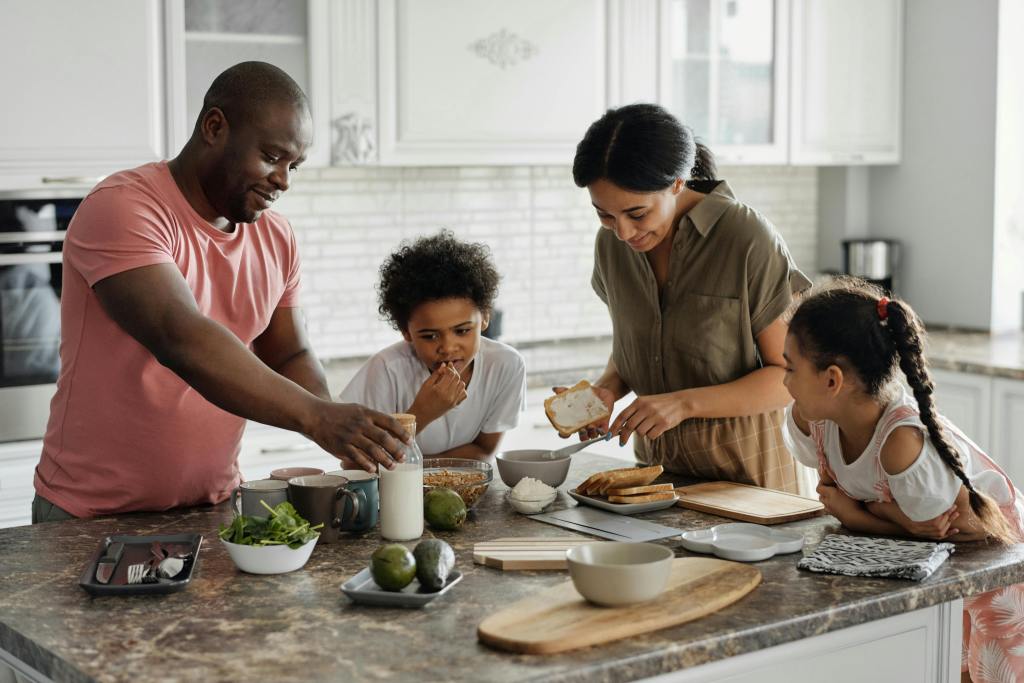
Family traditions are more than just repeated activities; they are the glue that holds a family together, providing a sense of identity, stability, and continuity across generations. Whether it’s a weekly Sunday dinner, an annual holiday celebration, or a unique family ritual, traditions create shared experiences that strengthen relationships and foster belonging. In an increasingly fast-paced world, where distractions and responsibilities pull family members in different directions, maintaining traditions offers an anchor that brings everyone back together.
In this blog post, we will delve deep into why family traditions matter, their psychological and emotional benefits, different types of traditions, and how to create meaningful rituals that will stand the test of time.
Why Family Traditions Matter
Family traditions serve as a foundation for emotional security and social cohesion. They provide structure and meaning to family life, offering consistency in an ever-changing world. Here’s why they are so vital:
Strengthening Family Bonds
At their core, traditions are about connection. Whether it’s gathering around the dinner table, playing a board game every Friday night, or taking an annual road trip, these rituals encourage face-to-face interaction and deepen relationships. In a world dominated by digital distractions, traditions serve as a powerful reminder to be present with one another.
Creating Lasting Memories
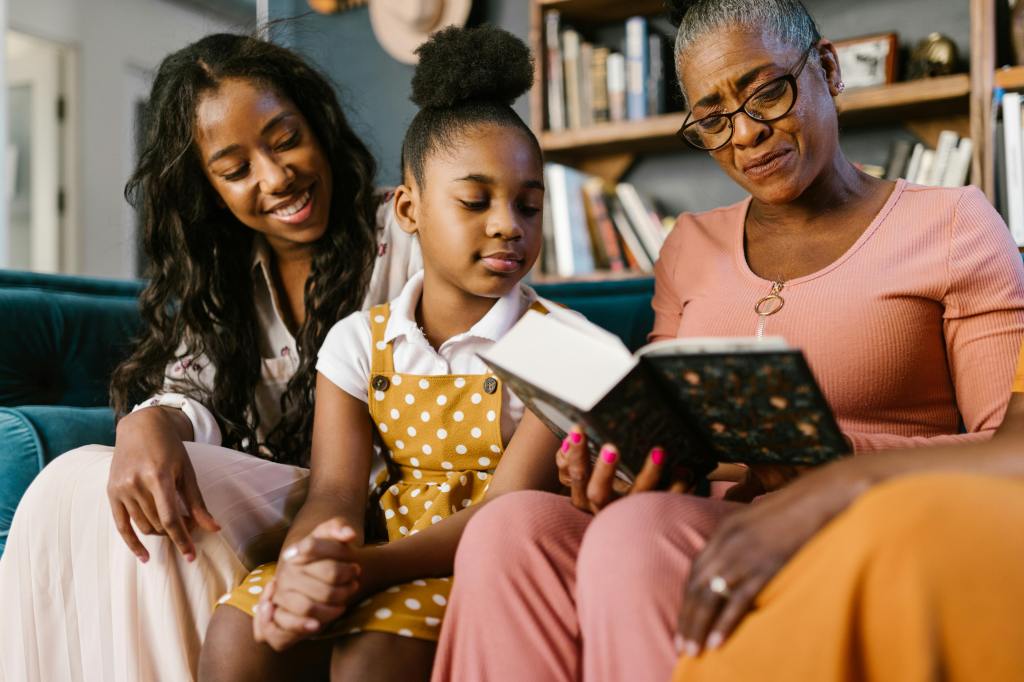
The most treasured memories are often tied to traditions. Ask anyone about their childhood, and they will likely recall holiday gatherings, birthday rituals, or special family outings. These moments become cherished stories passed down through generations, reinforcing the family’s unique identity and history.
Passing Down Values and Cultural Heritage
Family traditions often reflect values, ethics, and cultural heritage. Whether it’s a religious observance, a meal prepared using a generations-old recipe, or an annual act of giving back to the community, these customs help instill a sense of purpose and cultural appreciation in children.
Providing Comfort and Stability
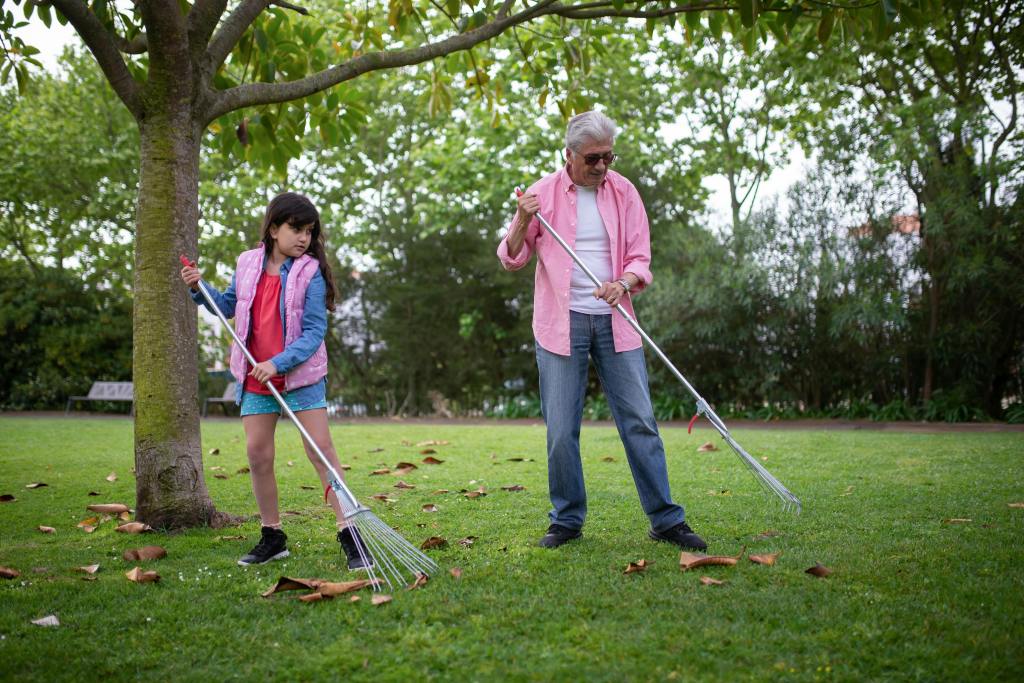
Change is inevitable, but traditions offer a reassuring sense of continuity. For children, in particular, knowing that certain rituals will always be there—like decorating the Christmas tree together or having a family movie night—provides emotional security and stability, especially during difficult times.
Enhancing Emotional Well-Being
Psychologists emphasize that traditions foster a sense of belonging and self-worth. They help children develop emotional resilience by providing them with a sense of place within their family unit. Moreover, shared family rituals have been linked to lower levels of stress and higher levels of happiness. A comprehensive review by the American Psychological Association highlighted that family routines and rituals are associated with marital satisfaction, adolescents’ sense of personal identity, children’s health, academic achievement, and stronger family relationships. (apa.org)
Types of Family Traditions
Not all traditions are the same; some are daily rituals, while others happen on special occasions. The beauty of traditions is that they can be simple yet meaningful. Here are some different types of traditions that families can adopt:
1. Daily and Weekly Traditions
- Morning and Bedtime Rituals – Starting or ending the day with a shared activity, like reading a bedtime story or enjoying breakfast together, fosters closeness.
- Family Meals – Regular dinners together encourage conversation and reinforce the family bond.
- Friday Fun Night – A weekly ritual, such as movie night, pizza night, or game night, gives the family something to look forward to.
2. Holiday and Seasonal Traditions
- Decorating Together – Whether for Christmas, Halloween, or Lunar New Year, decorating as a family builds excitement and connection.
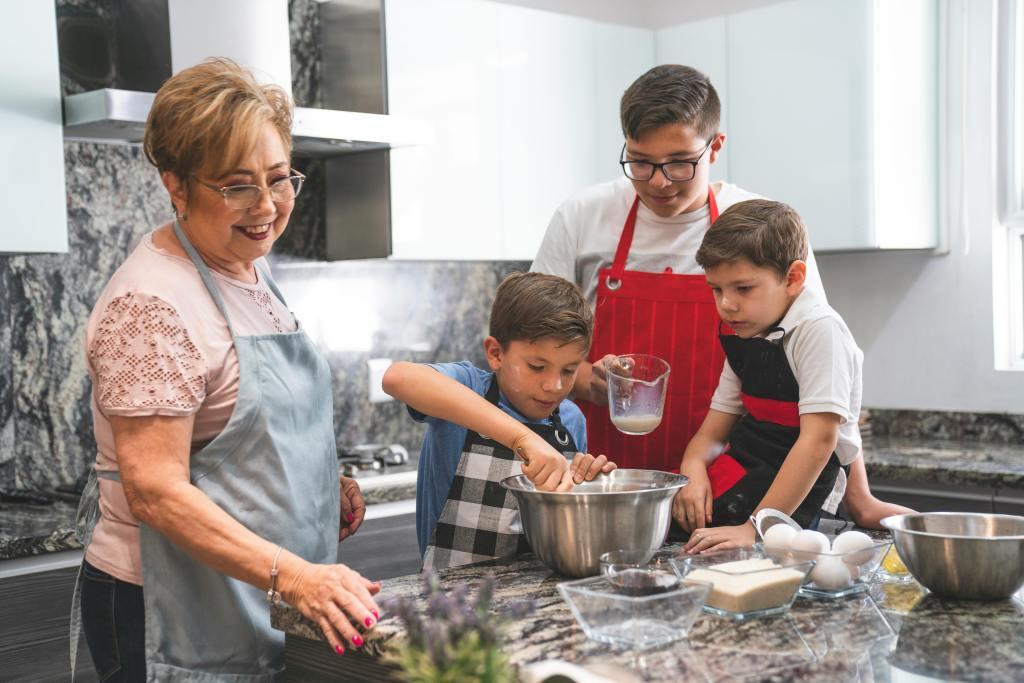
- Baking or Cooking Traditional Dishes – Preparing festive foods together strengthens cultural ties and creates delicious memories.
- Gratitude Rituals – Some families go around the table and share what they are grateful for, especially during Thanksgiving or New Year’s Eve.
3. Milestone and Special Occasion Traditions
- Birthday Traditions – Some families start birthdays with a special breakfast or allow the birthday person to pick a fun activity for the day.
- Back-to-School Rituals – Writing notes of encouragement or taking first-day-of-school photos helps mark new beginnings.
- Celebrating Achievements – Recognizing accomplishments, whether big or small, reinforces positivity and motivation.
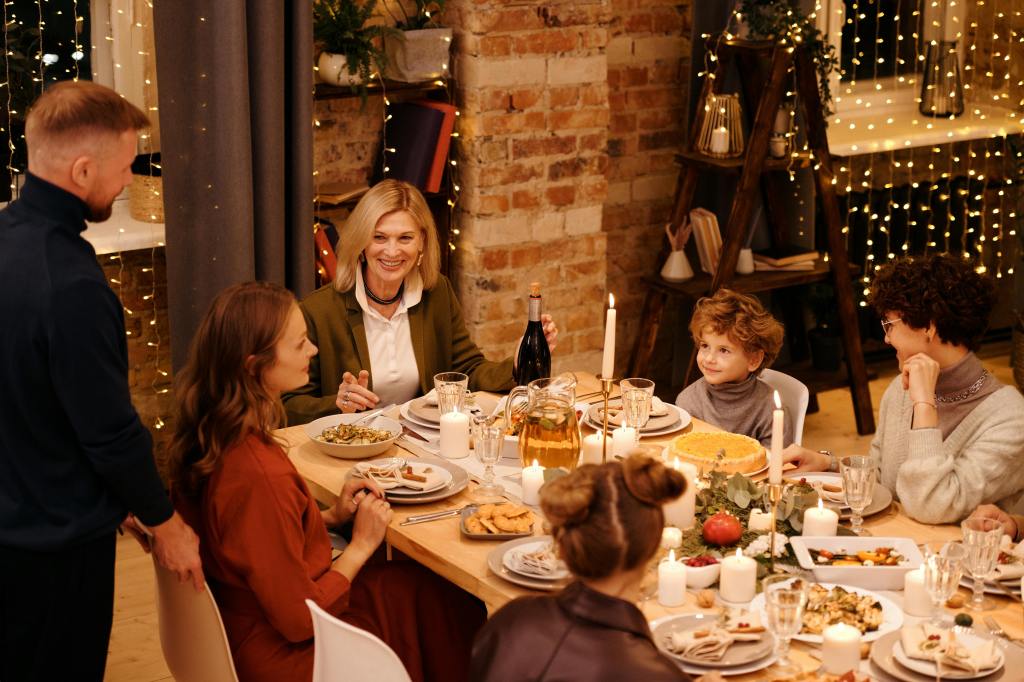
4. Generational and Heritage Traditions
- Storytelling Nights – Sharing family history and personal anecdotes keeps generational wisdom alive.
- Family Recipe Books – Passing down traditional dishes ensures cultural heritage is preserved.
- Annual Family Reunions – Gathering extended family members for a picnic or vacation strengthens intergenerational bonds.
Our Family’s Special Traditions
Every family has its unique set of traditions, and ours is no different. Over the years, we’ve created rituals that bring us closer and allow us to make beautiful memories together:
- December Christmas Markets – Each year, we visit Christmas markets to soak in the festive atmosphere, sip warm drinks, and enjoy the magical decorations.
- August Beach Trip for Our Son’s Birthday – Since our son loves the beach, we celebrate his birthday every August with a special trip to enjoy the sun, sand, and sea.
- A Week Off for Our Birthdays – Instead of a single-day celebration, we take a week off around our birthdays to relax, spend time together, and enjoy our own date days.
- A Big Trip When Finances Allow – Travel is a huge passion for us, and we dream of taking a big trip around the world. Our priority is to visit our homeland first before exploring new destinations.
These traditions not only bring us joy but also give us meaningful moments to look forward to each year.
How to Create Meaningful Family Traditions
Traditions don’t have to be elaborate or costly to be meaningful. What matters most is the consistency and emotional connection they foster. Here’s how you can create new traditions or strengthen existing ones:
Start with Your Family Values
hink about what defines your family. Are you adventurous, creative, or spiritual? Choose traditions that align with your values, such as hiking trips, art nights, or community service. Identifying what matters most will help you create rituals that truly reflect your family’s essence and reinforce the values you want to pass down to future generations.
Keep It Simple and Authentic
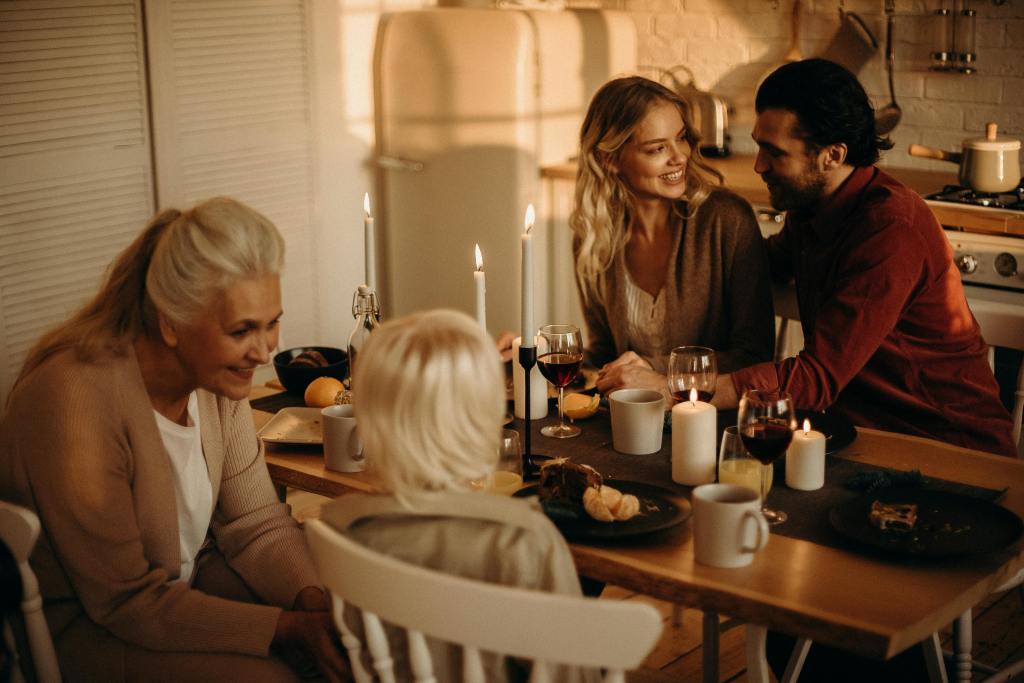
Not all traditions need to be grand events. Even small, everyday rituals—like eating dinner together without screens or tucking kids in with a special phrase—can have a profound impact. The key is consistency and emotional involvement. The simplest traditions often become the most cherished because they happen regularly and are woven into daily life.
Be Consistent but Flexible
Consistency is key, but it’s also important to adapt traditions as life changes. If a family member moves away, find ways to include them virtually. If a routine becomes stressful, modify it to keep the joy alive. Flexibility allows traditions to grow and evolve while maintaining their core purpose—bringing family members together.
Get Everyone Involved
Let all family members have a say in creating or modifying traditions. This ensures they feel connected and excited to participate. Children especially love contributing ideas, and when they feel ownership of a tradition, they are more likely to carry it forward into their own families in the future.
Make Traditions Interactive and Engaging
Avoid passive traditions like watching TV together without interaction. Instead, opt for activities that encourage bonding, such as playing games, cooking together, or writing letters to each other. The more engaged everyone is, the stronger the emotional impact.
Document and Reflect on Traditions
Capture moments through photos, videos, or a family journal. Reflecting on past traditions strengthens the emotional impact and helps keep them alive for future generations. These memories become a living record of your family’s journey together.

Family traditions are not just routines; they are the fabric that weaves family members together. They provide comfort, joy, and a sense of belonging that lasts a lifetime. Whether you are continuing old traditions or starting new ones, what matters most is the love and connection they create. So take a moment to reflect on your family traditions or introduce a new ritual today. The impact will be cherished for generations to come.



 TrieBios Baby & Mama
Leave a comment