
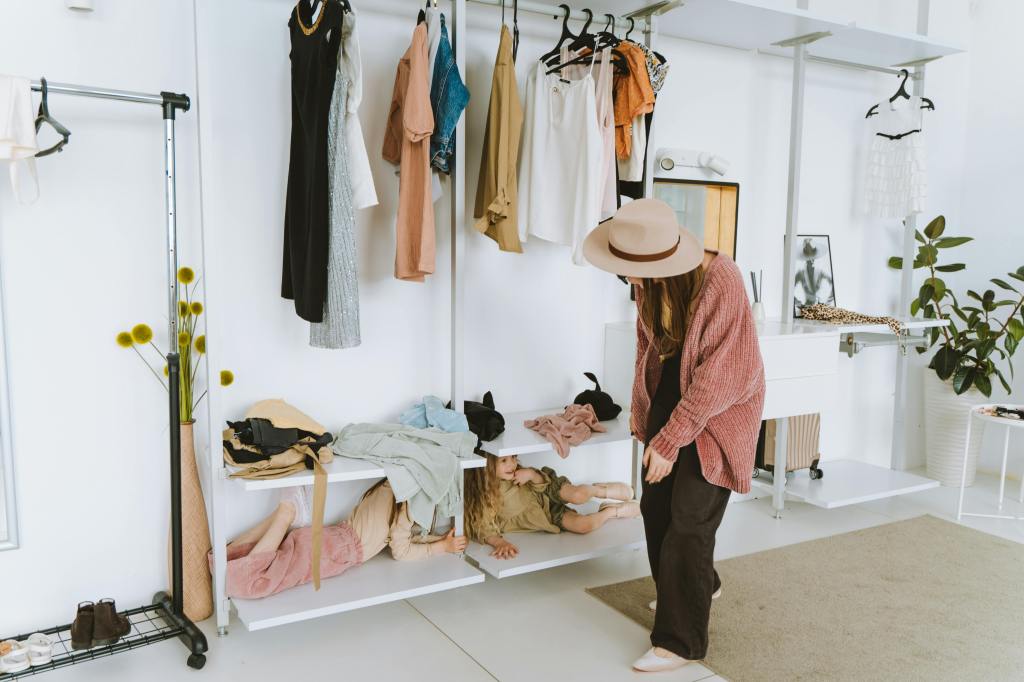
Because less stuff, more joy—especially when it comes to clothes.
Lately, I have been noticing that my toddler is growing into the next size. The sleeves are getting shorter, the pants are starting to ride up, and some of our winter staples are just not right for the new season anymore. With spring slowly arriving and our daily rhythm shifting, I felt it was time to refresh my child’s wardrobe—something that would feel calm, practical, and in line with our budget and lifestyle.
Instead of rushing to buy lots of new clothes, I decided to take a slower approach. I began thinking about what we actually need, what still fits, and how we could choose pieces that are soft, stylish, and made to last. From that space, I started building a gentle wardrobe strategy—something that feels simple, thoughtful, and just enough for everyday life with a toddler.
And that is what I want to share with you in this post.
Why I Choose a Minimal Wardrobe for My Child?
Minimal does not mean boring or strict. It simply means intentional. A smaller wardrobe with thoughtfully chosen pieces brings a sense of peace to everyday life. Fewer choices can actually make getting dressed easier and more enjoyable for both me and my boy.
With a minimal wardrobe:
- I save time choosing outfits: All items are matching and create a good look for my kid.
- I reduce laundry loads: The laundry schedule for my kid’s clothes is divided into 2 times per week.
- I choose quality over quantity: I skip fast fashion that wears out quickly.
- I spend wisely and on budget.
- Less clothes = Better for the environment.
It is not about rules. It is about breathing room. And comfort. And clothes that make sense for my real life with a toddler.

Tip 1: Start With What You Already Have.
Before buying anything new, I take everything out of my child’s drawers and closet. Lay it out. Look at it with fresh eyes. Then I asked myself:
- What pieces are being worn often?
- What is being outgrown, stained, or ignored?
- What pieces does my toddler prefer?
- What material is the most comfortable for him?
I passed down what are still good to wear but not fit anymore. I threw away those that cannot be used. and I kept what can still be worn.
Tip 2: Choose a Soft and Neutral Color Palette.
After a few trials, I realized my kid is suitable with bright and neutral colors. They are also easy to mix and match. This helps me save time when choosing outfits for my kid.
Think of shades like:
- Oatmeal
- Dusty rose
- Moss green
- Cloud gray
- Warm beige
- Muted rust
- Classic Blue
Neutrals do not mean everything has to be brown or cream. Add a favorite color or two (maybe sage green or clay orange) to give it a gentle personality. These tones also are more timeless—and yes, they hide snack smudges and dirt better than stark whites.
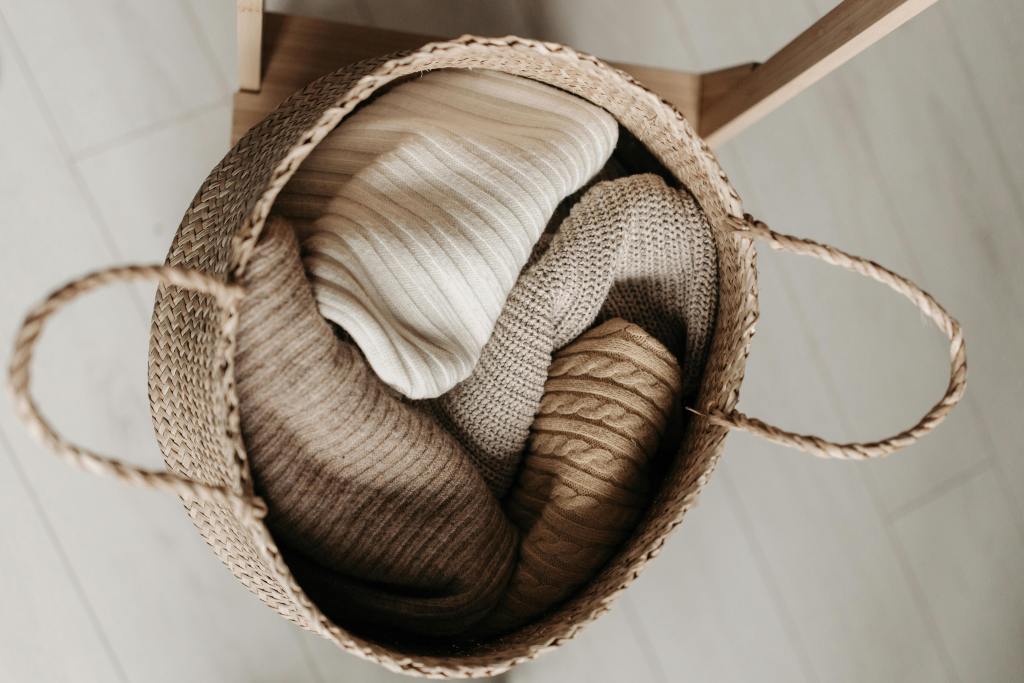
Tip 3: Focus on Comfort and Movement
Babies and toddlers are always on the move. Their clothes should let them crawl, climb, nap, and dance without restriction.
When choosing pieces, I look for:
- Soft fabrics like organic cotton or bamboo
- Stretchy waistbands
- Loose fits that allow layering and room to breath
- Simple closures
Avoid anything scratchy, stiff, or fussy. If it looks cute but my child cannot move freely, it will likely sit in the drawer.
Tip 4: Choose Fewer, Higher-Quality Pieces
Quality matters, especially when little bodies wear the same clothes again and again. Cheap clothes may fall apart after a few washes, or lose their shape. Instead, I choose pieces made to last—ones that can even be passed down.
My priorities when choosing clothing for my kid:
- Cotton, or if possible Organic cotton (bonus if it is GOTS-certified)
- Double stitching
- Brands that focus on ethical production
A few lovely, durable pieces are worth more than a whole pile of fast fashion.

Tip 5: Plan a Simple Capsule Wardrobe
Think of a capsule wardrobe as a small, thoughtful collection of items that can all mix and match. It makes my life easier and mornings calmer.
Here is an example for what I have chosen for my toddler for Spring (adjust as needed for the season):
Everyday basics:
- 5 short-sleeved top
- 5 bottoms
- 2 light sweaters
- 2 shirts (for layering)
- 4 sets of pyjamas
- 1 all-weather jacket
- 1 rain suit
- 2 pair of comfy sneakers
- 1 sunhat
- 1 special outfit for special occasions
My toddler goes to daycare four days a week. These five tops and five bottoms give us enough for four weekday outfits, with one extra set kept aside for messy play or daycare backups.
Because spring weather in the Netherlands can be unpredictable, I use two light sweaters and two shirts as extra layers. These layer easily over the tops to complete four full daycare outfits, depending on the temperature each day.
At home, I keep four sets of pyjamas—usually one set is worn for two nights. For the three days he is home (Friday to Sunday), two sets of pyjamas are usually enough to stay clean and cozy.
Tip 6: Let Your Child’s Personality Shine
Even within a minimal wardrobe, there is space for joy. Maybe your child loves animals or stripes. Maybe they always reach for a certain color.
Include one or two playful pieces that reflect their little spark. A dinosaur-print romper, a sunflower tee, or a rainbow patch on a pocket adds delight without overwhelming the wardrobe.
You can also let your child help choose, if they are old enough. It gives them a sense of choice to what they wear.
Tip 7: Choose Environmentally Friendly Options
Our choices matter—not only for our children, but for the world they will grow up in. Choosing eco-conscious clothing supports healthier farms, fairer working conditions, and less waste.
If my budget allows, I usually choose:
- Organic cotton
- Natural dyes
- Biodegradable materials
- Brands that use slow fashion principles
Even better? Choose fewer items, and pass them on when they are outgrown. I have been an active user on Vinted. The most sustainable clothes are the ones worn and loved again.
Tip 8: Think in Layers and Seasons
Layering is your best friend—especially in climates where the weather changes often. A long-sleeve top under a romper extends outfits through multiple seasons. Leggings under a dress and a soft cardigan over pajamas also help with seasonal transitions.
Choose breathable base layers, cozy outer layers, and mixable middle pieces. That way, you can adjust with the temperature instead of needing a whole new wardrobe.
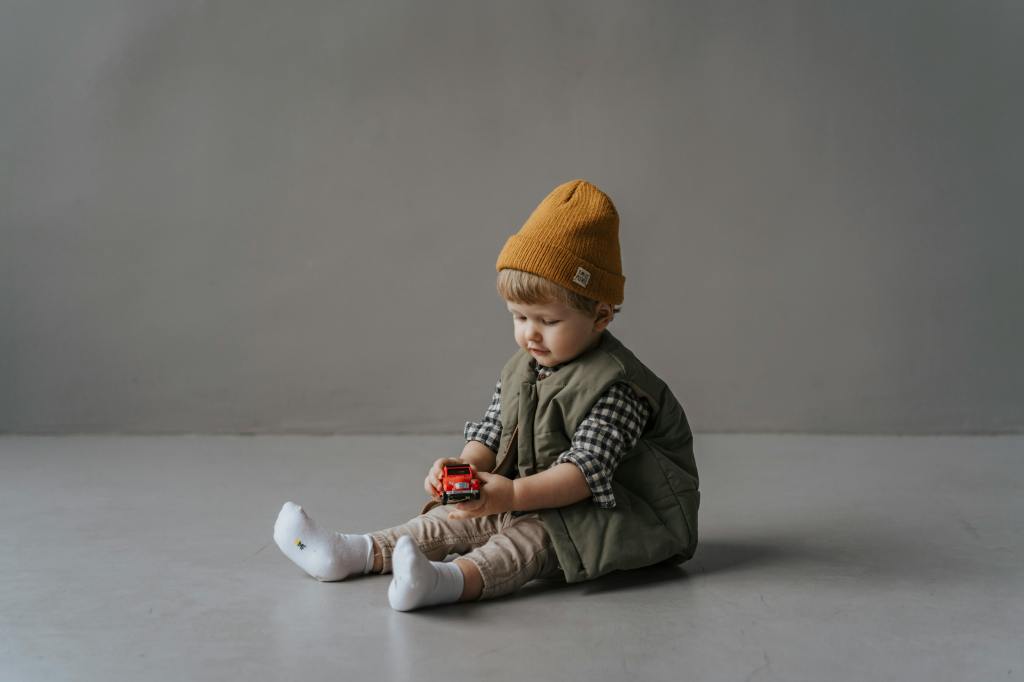
Tip 9: Wash Gently, Wear Longer
Taking care of clothes helps them last longer. I use a mild detergent, wash in 30 degree and hang dry soft materials like knits.
You do not have to be perfect. Life is messy with little ones. But a little care goes a long way—especially when clothes are well made.
A Wardrobe That Shows Authenticity
Renewing your child’s wardrobe is not about buying a bunch of new things. It is about creating a space where their clothes feel like comfort, authentic, and freedom. Where there is room to grow, to play, to rest, and to be fully themselves.
Minimalism with children is not about rules—it is about gentleness. About choosing less with more intention. About slowing down and noticing what fits your life right now.
Whether you are building a tiny capsule wardrobe from scratch or shifting toward softer colors and better fabrics, trust yourself. You are doing beautifully.




 TrieBios Baby & Mama
Leave a comment