Language goes far beyond words. From a Montessori perspective, the child’s ability to communicate includes many forms of symbolic language including music and art. These symbolic languages help build not only speech and vocabulary but also creativity, emotional intelligence, and cultural appreciation.
In this third post of our four-part series based on Chapter 8 of Montessori from the Start, we explore how music and art become powerful tools in helping young children develop language, thought, and personal expression, starting in the earliest years.
Music as Symbolic Language
Montessori reminds us that language is not limited to speaking or writing. Human beings have always used symbolic forms to express mood, meaning, and connection.
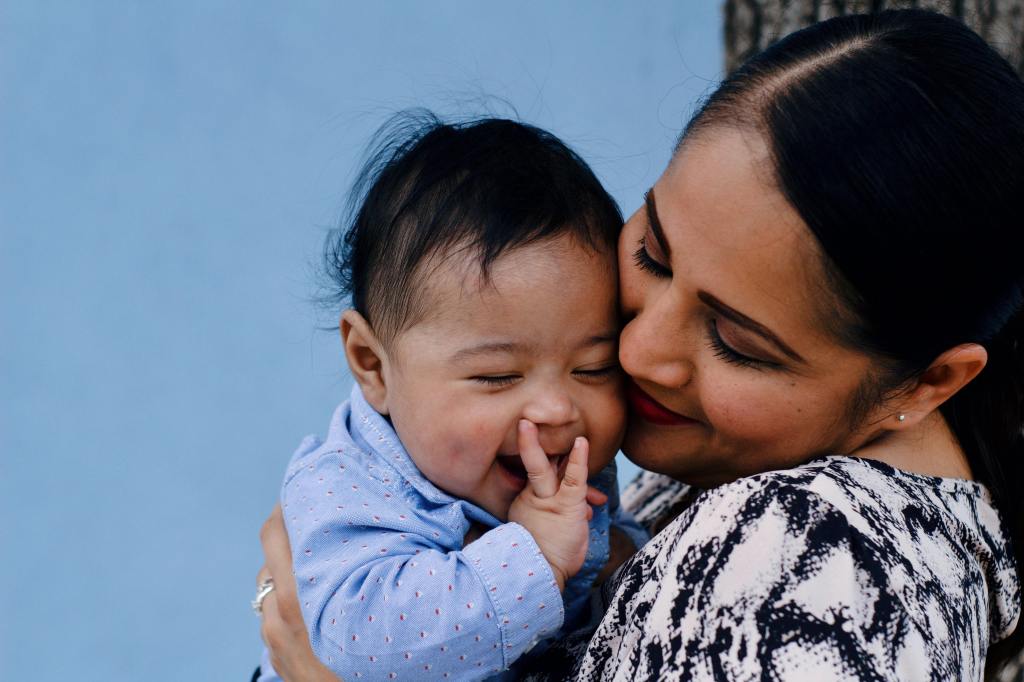
Music is one of the first languages a baby understands. It can calm them, delight them, or energize them. From the moment they are born, babies are especially attuned to the human voice, particularly their mother’s.

Why Singing to Your Baby Matters
- Emotional comfort: A mother’s lullaby or humming is soothing, familiar, and safe. Babies remember their mother’s voice from the womb.
- Cognitive development: Songs with repetition and rhythm help develop memory and sequencing skills.
- Language learning: Listening to lyrics and melodies builds phonemic awareness and sound recognition.
It does not matter if you are a “good” singer. Your child loves your voice. Sing simple songs, hum lullabies, and make up tunes about what you are doing. These tiny rituals are remembered and cherished.
Using Music Purposefully at Home
- Set aside a quiet time each day for listening to music together.
- Choose high-quality music: Classical pieces by composers like Bach or Mozart offer rich, recurring musical themes and patterns are helpful to young children who are in the process of forming order within their own minds.
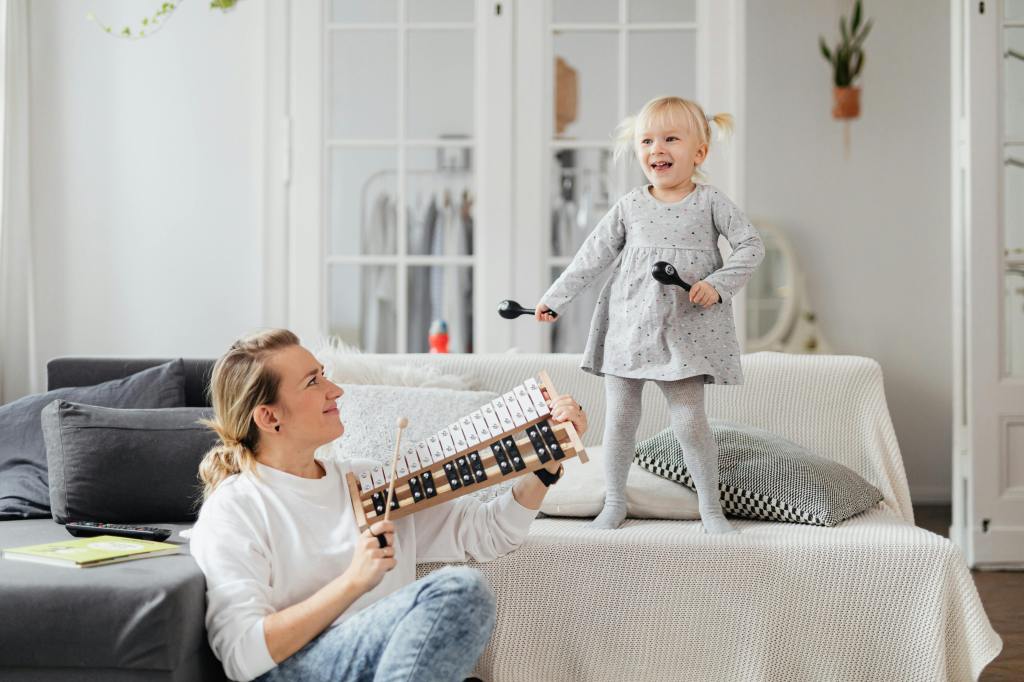
- If you play an instrument, play it for your child. It helps modeling joy and self-expression through music.
- Avoid background noise all day. Like language, children absorb music best when it is intentional and uncluttered.
🎵 Babies have what Montessori called an “absorbent mind.” They take in everything, so offer them the very best of our musical heritage.

Musical Exploration Through Movement and Play
Even very young babies begin to explore rhythm and sound with their hands. A small silver rattle that makes real tones (not tinny noise) is one of the first tools for self-made music.
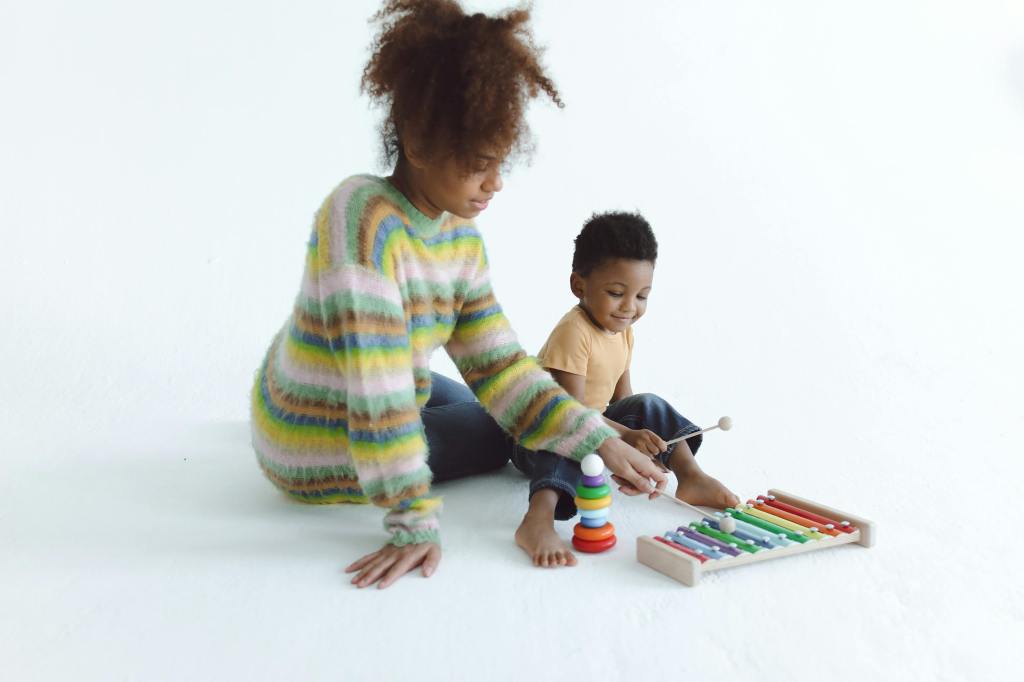
Montessori classrooms use bells of pure tone to teach pitch recognition. First the sound is identified. Next a symbol is given for it. Finally, sound and symbol are combined. Thus two sets of musical bells of pure tonal quality are played separately, matching bell to bell, and then by scale. In this way, even a 3-year-old can begin to internalize musical structure without formal training.
The good news? You don’t need baby music classes or expensive toys. Just create time and space for your child to make, hear, and love music naturally at home.
Art as Symbolic Expression
Like music, art is a natural form of human expression. But just like with language and music, young children need exposure to the right kind of art in the right way.
Montessori encourages us to offer art experiences thoughtfully. We should not flood the child with overwhelming visuals, but by offering just a few beautiful, meaningful pieces at a time.
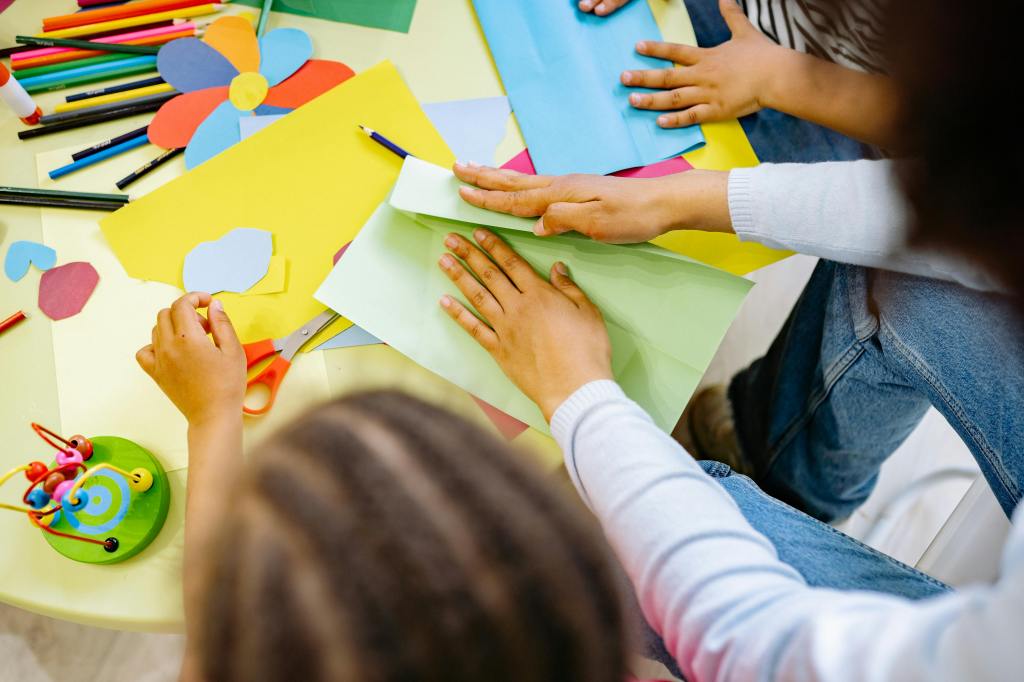
Creating an Art-Rich Environment
- Hang 1–2 pieces of real art (e.g., watercolor, fine prints, or photographs) in the child’s room. Hang them low enough to see, but not to touch.
- Avoid cartoonist, commercial images. Focus on natural, calming visuals.
- Change the artwork every few weeks to match the child’s interest or the seasons.
Later, around age 2.5 to 3, introduce language cards with artwork — for example: “Two Girls at the Piano” by Renoir. Name the paintings and artists. This introduces both vocabulary and cultural heritage.
Supporting Your Child’s Artistic Expression
Children don’t need art lessons. What they need is freedom to explore materials, and adults who respect their creative efforts.
In helping children to produce their own art, parents need to make materials available that match the development of the child’s hand and ability to organize a simple activity. When your child is around 2.5 years old, it is recommended to offer them
- Colored pencils
- One small sheet of white paper
- A clean tray to keep the area contained

Unlike other common materials like markers or crayons, colored pencils are ideal because they offer light and dark variation based on pressure so the child can become aware of hand control. They maintain a finer point and are easily sharpened if the point does become too blunt and ineffective. They are also thin enough for the child’s small hand.
We can gradually introduce other art tools:
- Chalk and chalkboard
- Clay or play-dough for modeling
- Beads for stringing
- Yarn and cardboard for sewing
- Child-safe scissors for cutting and gluing
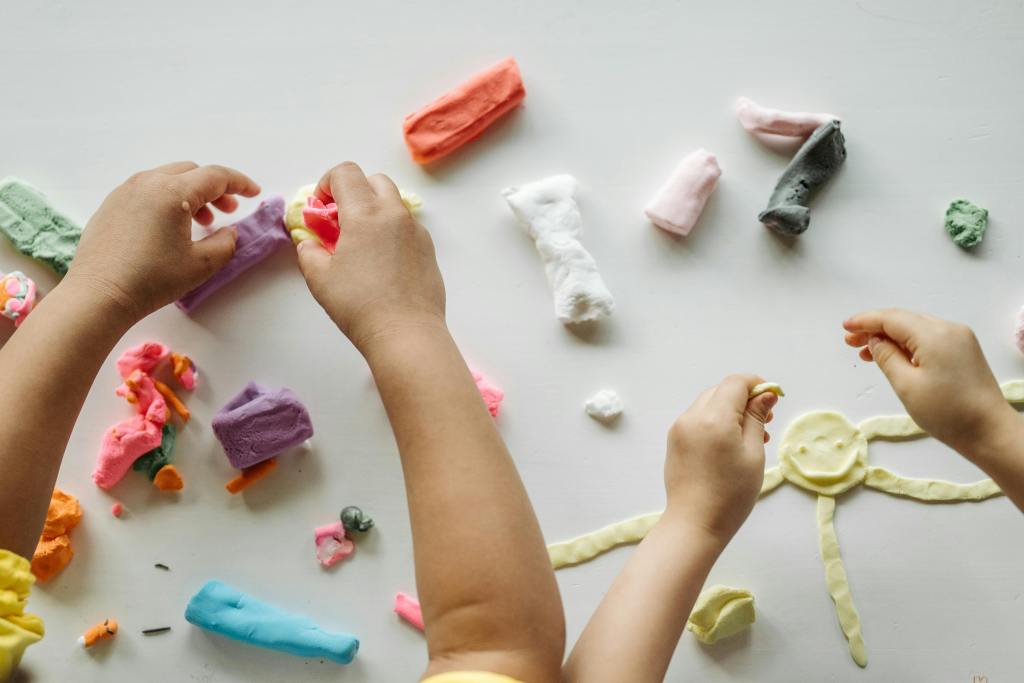
Avoid plastic art toys or structured art kits. Let creativity guide the activity. Never tell your child what to draw or how to improve their work. Let their creations be their own. Admire the effort. Ask open-ended questions like: Can you tell me about your drawing?” or “I love how you used the red here!”
🎨 When children feel free and respected in their artistic expression, they gain confidence, joy, and a lifelong love for creating.
A Note on Art and Music Classes
It is tempting to sign your toddler up for music or art enrichment programs. But in early childhood, less is more. Formal lessons can sometimes stifle natural curiosity. Instead, Montessori recommends creating a home environment rich in tools, inspiration, and presence.
There will be time for structured art and music lessons later. For now, we should focus on:
- Modeling creativity (draw, sing, dance in front of your child)
- Providing simple, beautiful, age-appropriate materials
- Being available to enjoy music, books, and art together
In this stage of development, what your child needs most is freedom to explore, expression without pressure, and a calm, prepared environment filled with beauty and meaning.
You don’t need to be an artist or musician to guide your child. You just need to value art, music, and language, and share that love with joy and simplicity.


 TrieBios Baby & Mama
Leave a comment