

Father’s Day is around the corner and it is a chance for us to appreciate the father figures who support, protect, and shape our everyday lives. While it is easy to focus on what dads do: fixing things, working hard, offering bear hugs, science tells us something even more beautiful. Fatherhood is not just a role. It is a biological, emotional, and developmental transformation, both for the dad and the child.
Here are some surprising, science-backed facts about fathers that reveal just how powerful and meaningful their presence really is.
1. Fatherhood Literally Changes the Brain
Becoming a father is not just an emotional experience, it rewires the brain. Research has shown that fathers experience changes in brain activity, especially when they are hands-on with care-giving.
Researchers found that active fathers showed increased activation in brain areas related to empathy, planning, and social understanding, especially in the prefrontal cortex, which are involved in emotional regulation and bonding. Interestingly, the more time fathers spent with their babies, the stronger these changes were.
This suggests that involved dads do not just want to connect, they become biologically equipped to do so.

2. Skin-to-Skin Contact Strengthens Bonding for Dads Too
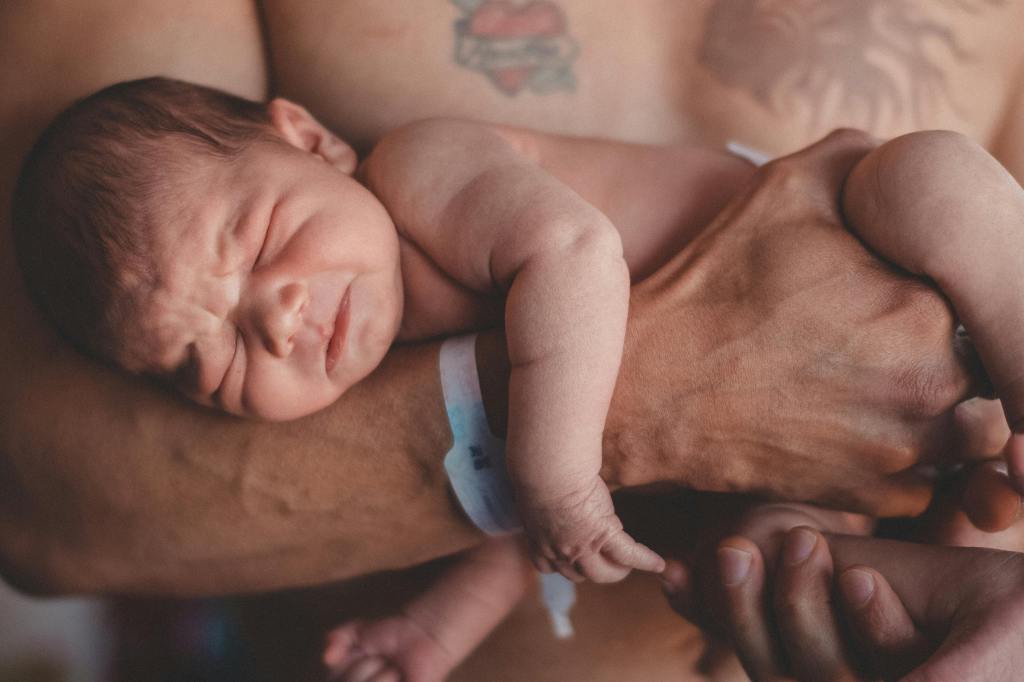
It is well known that skin-to-skin contact helps newborns adjust to life outside the womb. But it is not only important for mothers. Fathers who practice skin-to-skin care with their babies also experience increased oxytocin levels (the “love hormone”), reduced stress, and deeper bonding.
A study found that skin-to-skin contact helped new dads become more attuned to their baby’s needs and more confident in caregiving. It also helped calm both the father and the baby.
This simple act ‘holding a baby close against bare skin’ can shape the foundation of their relationship for years to come.
3. Children with Engaged Fathers Do Better Academically and Emotionally
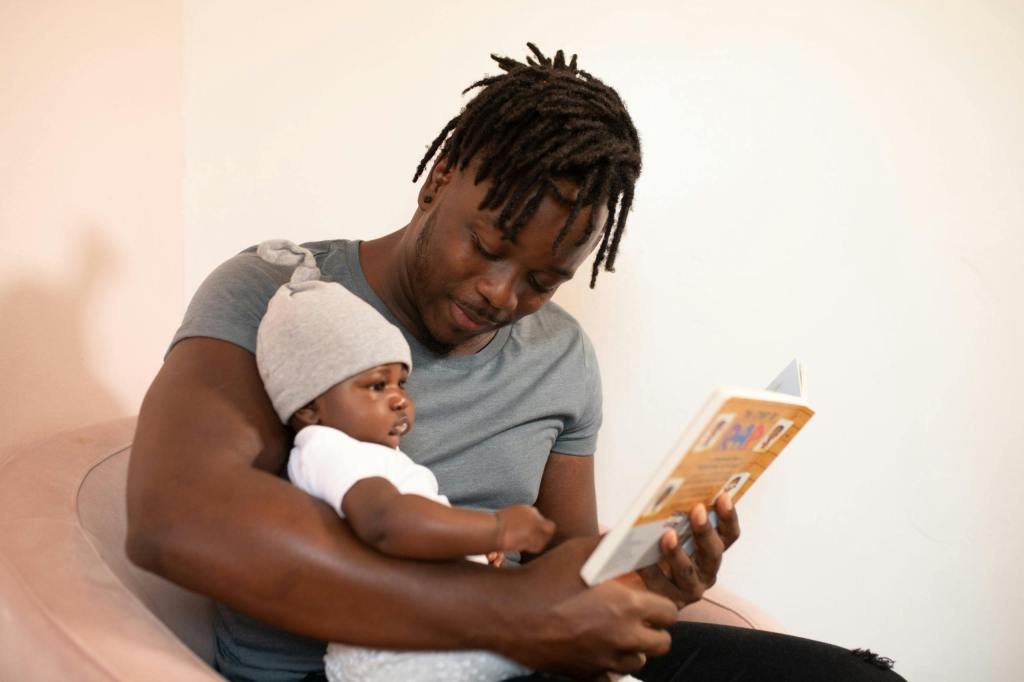
Involved fathers play a significant role in children’s development. According to research from the U.S. Department of Education, children with actively involved dads are more likely to earn better grades, show fewer behavioural issues, and have higher levels of self-esteem.
Fathers contribute uniquely to a child’s cognitive development, often through play, problem-solving, and exploration. Dads tend to challenge their children in ways that build resilience and curiosity.
Even 15 minutes of focused daily interaction, such as reading, playing, asking questions, can make a lifelong difference.
4. Fatherhood Can Make Men More Emotionally Aware
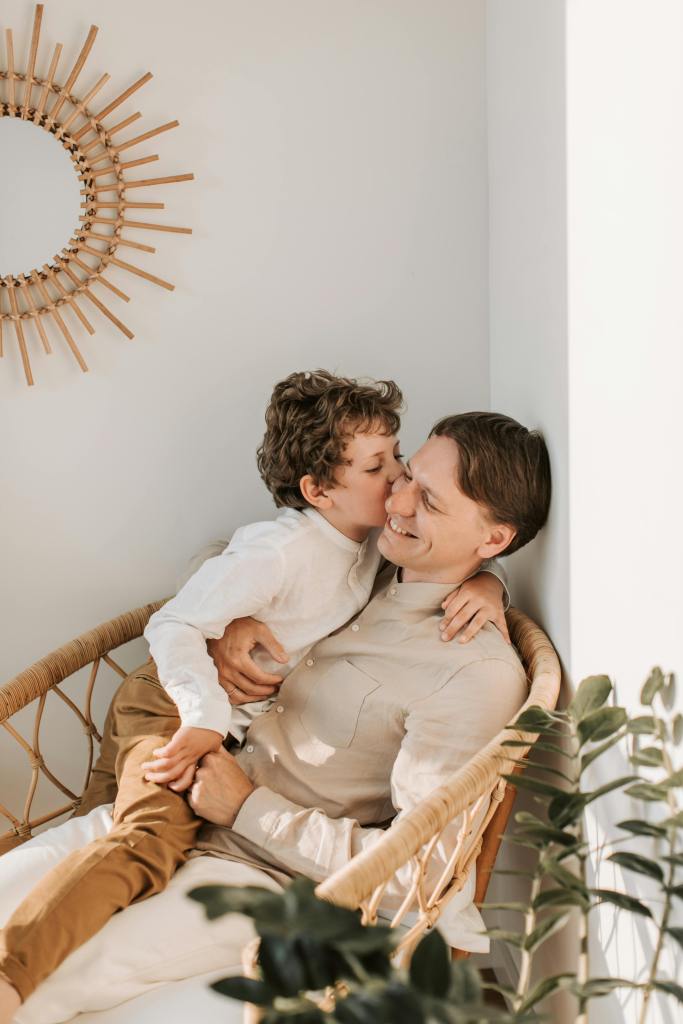
Although stereotypes often depict men as less emotionally expressive, fatherhood often awakens a deeper emotional range.
In a longitudinal study published in Hormones and Behavior, researchers found that men experience a drop in testosterone after becoming fathers, especially if they are very involved in childcare. While this might sound negative, it actually promotes nurturing behaviour, patience, and emotional attunement.
This hormonal shift helps new dads tune into their child’s emotional cues and become more responsive partners.

5. Fathers’ Mental Health Influences Children’s Well-being
We often focus on a mother’s emotional state in early childhood, but a father’s mental health is just as influential.
Children whose fathers show signs of depression or anxiety in the first years of life are more likely to experience emotional or behavioural difficulties later on. The good news is that the reverse is also true: emotionally well, present fathers can serve as a strong buffer against stress.
It is a reminder that supporting dads and encouraging them to rest, seek help when needed, and feel valued is an investment in the entire family.
6. Father Involvement Improves Language and Social Skills
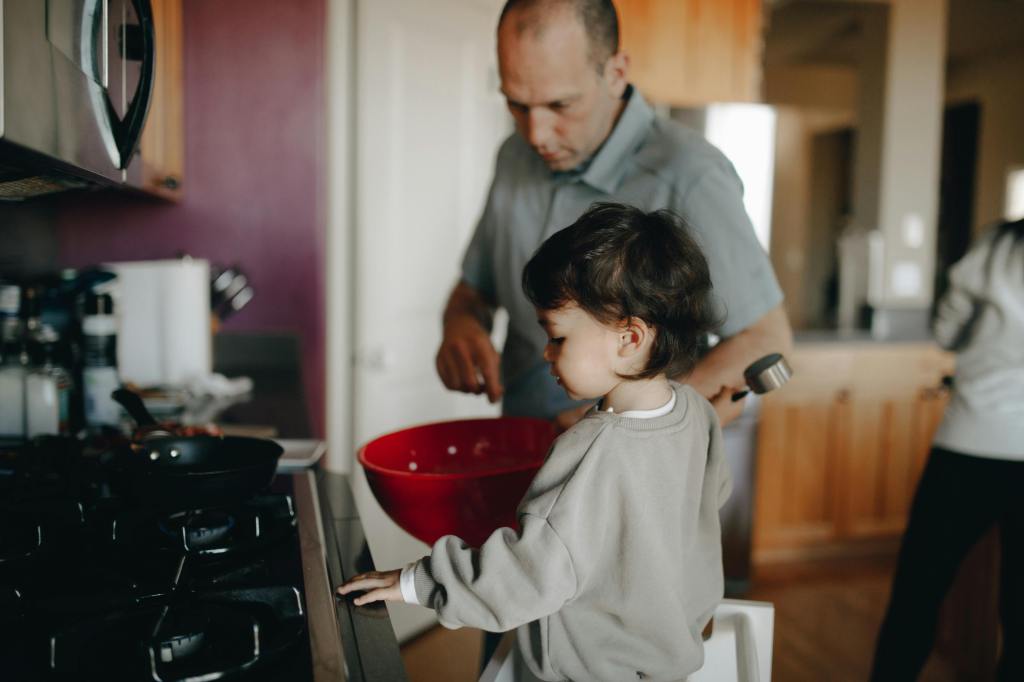
Both mothers and fathers are essential in helping children develop language and social skills but they often bring different styles to the table. Studies have shown that when fathers are actively involved, they tend to use more varied vocabulary and ask open-ended questions that invite thinking and exploration.
Researchers found that the amount and richness of language used by fathers with their two-year-olds predicted stronger language skills in the children one year later.
When children experience a mix of communication styles from both parents, it can enrich their language, imagination, and social understanding. Fathers often bring a different rhythm or tone to conversations, which complements the emotional and linguistic support children receive from their mothers or other caregivers. Together, this mix strengthens a child’s confidence, creativity, and emotional intelligence.
7. Fathers Are Motivated by Their Children to Make Healthier Choices
Becoming a father does not just change a man’s heart, it often changes his habits. Studies have shown that many men are motivated to improve their health after becoming dads. They may quit smoking, reduce alcohol use, exercise more, or become more mindful about nutrition.
This shift is often linked to a strong desire to be present and active in their child’s life. It is not about perfection, but about being well enough to enjoy everyday moments like playing outside, carrying their child, or simply being there with energy and focus.
These positive changes can benefit the whole family. When a father models healthy habits, children are more likely to grow up with similar routines. In this way, a father’s decision to care for his body becomes a quiet but powerful gift to his children’s future.
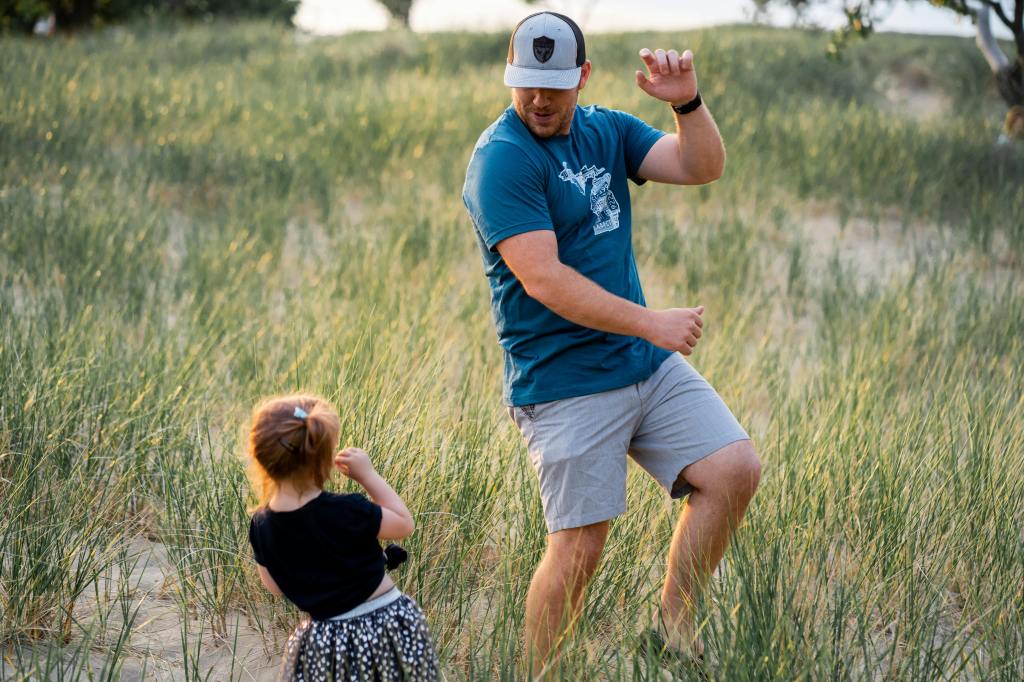
How to Celebrate the Beauty of Fatherhood
Knowing all this, Father’s Day can be more than just a greeting card. It can be a celebration of connection, of transformation, and of shared growth. Whether you plan a quiet day at home, a heartfelt letter, or a small gift, the goal is the same: to say, “We see you. You matter. Thank you dad.”
Here are some gentle and thoughtful gift ideas for this coming Father’s day:
- For the bonding moments: A customized storybook for dads and children.
- For the emotional self-care: A hobby kit, such as a bonsai tree starter set, wood carving tools, or a model-building kit.
- For the healthy habits: A fitness tracker, foam roller, or healthy cookbook for dads who are building new routines.
- For shared playtime: A STEM toy set or puzzle kit that encourage co-play and learning.

Fatherhood is a quiet revolution of the heart. It asks men to grow, to feel more deeply, to lead by example. And while their work is often less visible, its impact is profound.
This Father’s Day, may we celebrate the spirit and the devotion of dads. And may every father feel seen, not for being perfect, but for showing up, learning, and loving in his own way.



 TrieBios Baby & Mama
Leave a comment