
Parenting in today’s world can feel like living on a treadmill that never stops. Notifications beep, expectations rise, and the demands of both work and family stretch us thin. No wonder ‘the new millennial parenting anxiety’ is such a common phrase. Parents are constantly questioning themselves: Am I doing enough for my child? Am I following the right parenting style? What is the best parenting plan for my family?
In the middle of this swirl, I found comfort in the words of Haemin Sunim, a Zen Buddhist teacher and author. In his book The Things You Can See Only When You Slow Down, Haemin Sunim reminds us that when we stop rushing, the world feels different. We notice small details, we listen more deeply, and everyday life becomes clearer and more beautiful. This gentle reminder feels like medicine for modern parents. It encourages us to stop running after perfection and instead pay attention to the small, ordinary moments with our children.
What is parenting in 2025?
If you ask, “What is parenting in today’s world?” the answers will vary. Some will point to early childhood education, some to healthy routines, and others to creating a balanced home life. But at its core, parenting is about showing up. It is about presence.
Haemin Sunim often emphasizes that love is not proven by the number of things we do but by the quality of our attention. When your child is speaking, are you listening with your whole heart or is your mind elsewhere, scrolling on your phone or running through a to-do list?
As we move into the parenting 2025 conversations, there is a growing recognition that mindfulness matters as much as methods. Children do not remember every lesson or every rule, but they do remember how it felt to be with you.

The Trap of the Perfect Parenting Style
Modern parents read countless parenting books, scroll through blogs, and join online communities to figure out the “best” parenting style. But perfection is a trap. The pursuit of perfection often leads to frustration. By learning to accept things as they are, we can discover beauty even in imperfections
A Zen approach does not demand a flawless home, a spotless schedule, or endless patience. It asks us to meet our child as they are, and to meet ourselves with kindness. Some days we will be the calm parent who responds with wisdom. Other days, we will lose our temper. Both are part of the journey.
Slowing Down in the Midst of Parenting
When life feels overwhelming, pause. This is a central lesson in Zen and in the parenting journey.
Instead of trying to fix every tantrum or plan every minute, sometimes it helps to simply sit with your child. Hold them. Breathe together.
Is it the world that is busy, or my mind? – Haemin Sunim
This question is worth reflecting on during those stressful mornings when shoes go missing and cereal spills all over the floor. Often, our children are not the cause of chaos, it is our racing mind that creates tension. By slowing down, we discover that the situation is more manageable than we first believed.

Co Parenting with Compassion
Not every family lives under one roof. Many parents today navigate co parenting, balancing schedules, responsibilities, and sometimes difficult emotions.
Zen offers guidance here as well. Rather than clinging to resentment or past disagreements, the practice invites us to focus on the present relationship we want to build for the child’s sake. When co-parents communicate with respect, children feel more secure.
Love and Compassion are necessities, not luxuries. Without them humanity cannot survive – Dalai Lama
Applying this in co parenting means giving space for mistakes, practicing patience with each other, and always keeping the child’s well-being at the center.

Recognizing ‘Bad’ Parenting without Judgment
Every parent fears being accused of bad parenting. The truth is, none of us are perfect. We will all make mistakes, sometimes small, sometimes big.
A Zen approach does not deny mistakes but teaches us not to cling to guilt. Instead of replaying our failures in our head, we can treat each day as a fresh start. Apologize if needed, learn from the experience, and move forward with awareness.
Parenting is not about never failing, it is about returning to love, again and again.
Building a Parenting Plan that Breathes
Many experts encourage creating a parenting plan – a structure that outlines routines, values, and goals for raising a child. While planning can be helpful, a Zen perspective reminds us that plans must also breathe.
Rigid schedules can sometimes create more stress than ease. Haemin Sunim encourages us to leave space for spontaneity do not try to control every outcome. Life has a way of unfolding beautifully when you let it.
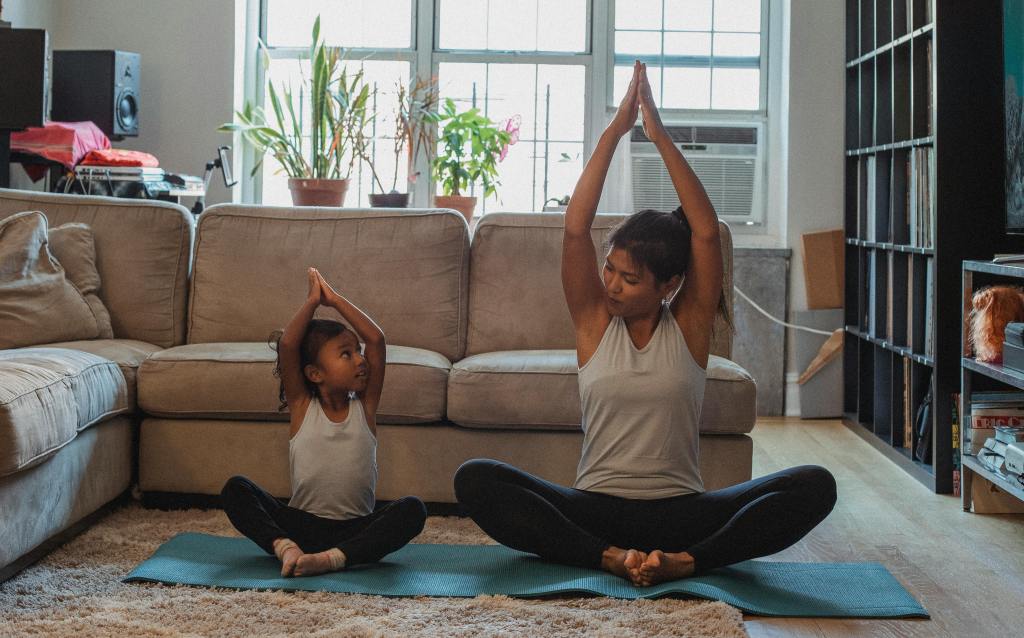
So while you may have meal plans, screen-time limits, or bedtime rules, leave room for flexibility. Allow a late bedtime after a family movie. Allow a skipped routine in favor of a spontaneous adventure. These moments often become the ones children treasure.
Parenting Support: You Are Not Alone
In the rush of modern life, it is easy to feel isolated. But parenting support is everywhere if we are willing to look for it.
Support can come from family, from friends, or from communities – both online and offline. It can also come from spiritual teachers whose writings give parents permission to slow down, breathe, and embrace imperfection.
When parenting feels heavy, remember that Zen is not about carrying the burden alone. It is about realizing that you are connected, supported, and part of a greater whole.

Books That Help Parents Slow Down
Through my blog, I want share something from my own experience. The three books by Haemin Sunim are not traditional parenting books with checklists or rules. They are written for anyone who wants to live more gently, with more intention and compassion.
But here is why I recommend them to parents: when we take care of our inner world, when we let go of judgement and constant pressure, we naturally show up better for our children. Parents who are calmer, kinder to themselves, and more present can offer that same energy to their kids.
For me personally, these books have been transformative. They helped me see life in a lighter way, reminded me that imperfection is part of the journey, and motivated me to weave Zen into both my daily life and my parenting. Reading them gave me space to breathe and reminded me that I do not have to be a perfect parent to be a loving one.
Here are the three books that supported me most:
- The Things You Can See Only When You Slow Down – A guide to pausing in the middle of busyness, learning to see beauty in small, everyday moments.
- Love for Imperfect Things – A book that helped me accept myself with all my flaws, which in turn helped me become a gentler parent.
- When Things Don’t Go Your Way – A reminder that challenges are part of life, and that grace comes from how we respond to them.
These are not manuals on “how to raise a child.” Instead, they are invitations to nurture yourself. And when we nurture ourselves, we naturally create a calmer, more compassionate space for our children to grow.



 TrieBios Baby & Mama
Leave a comment